


FOAM CHAMBER
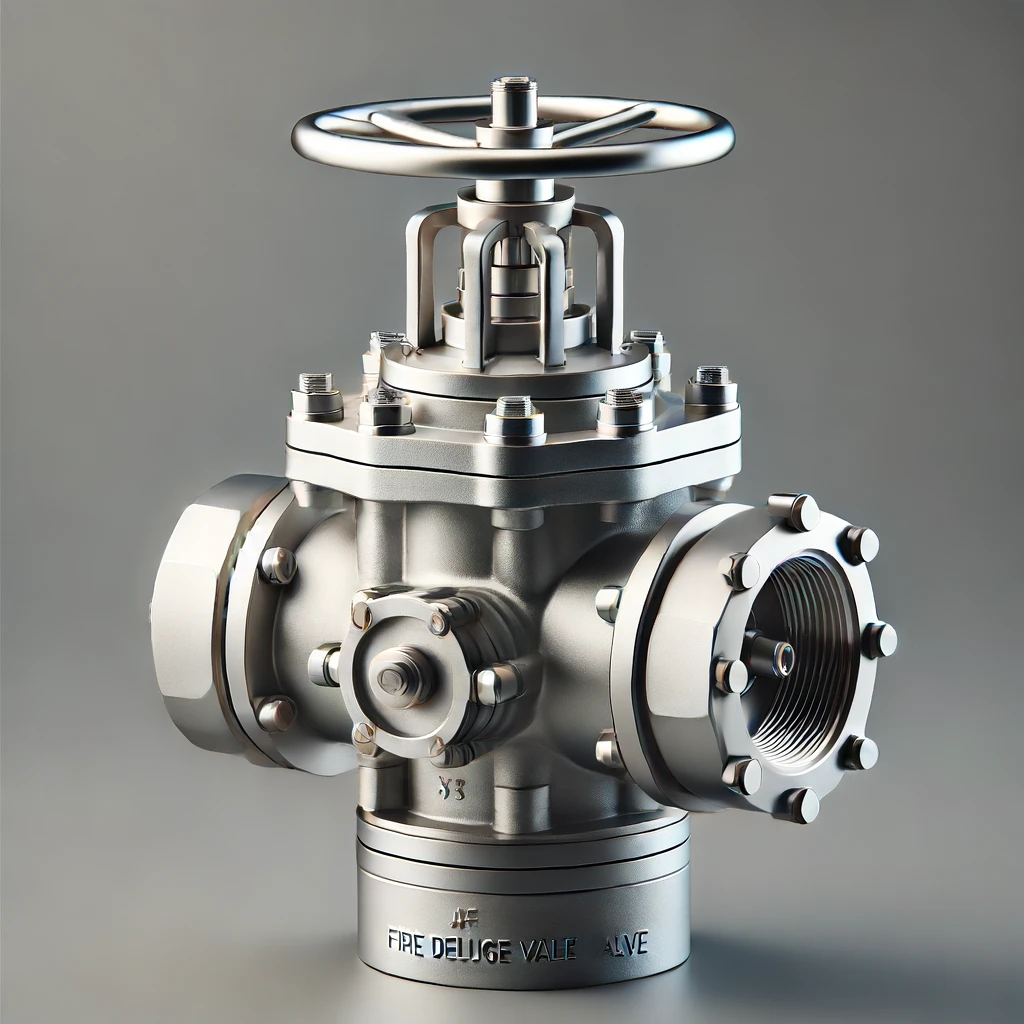
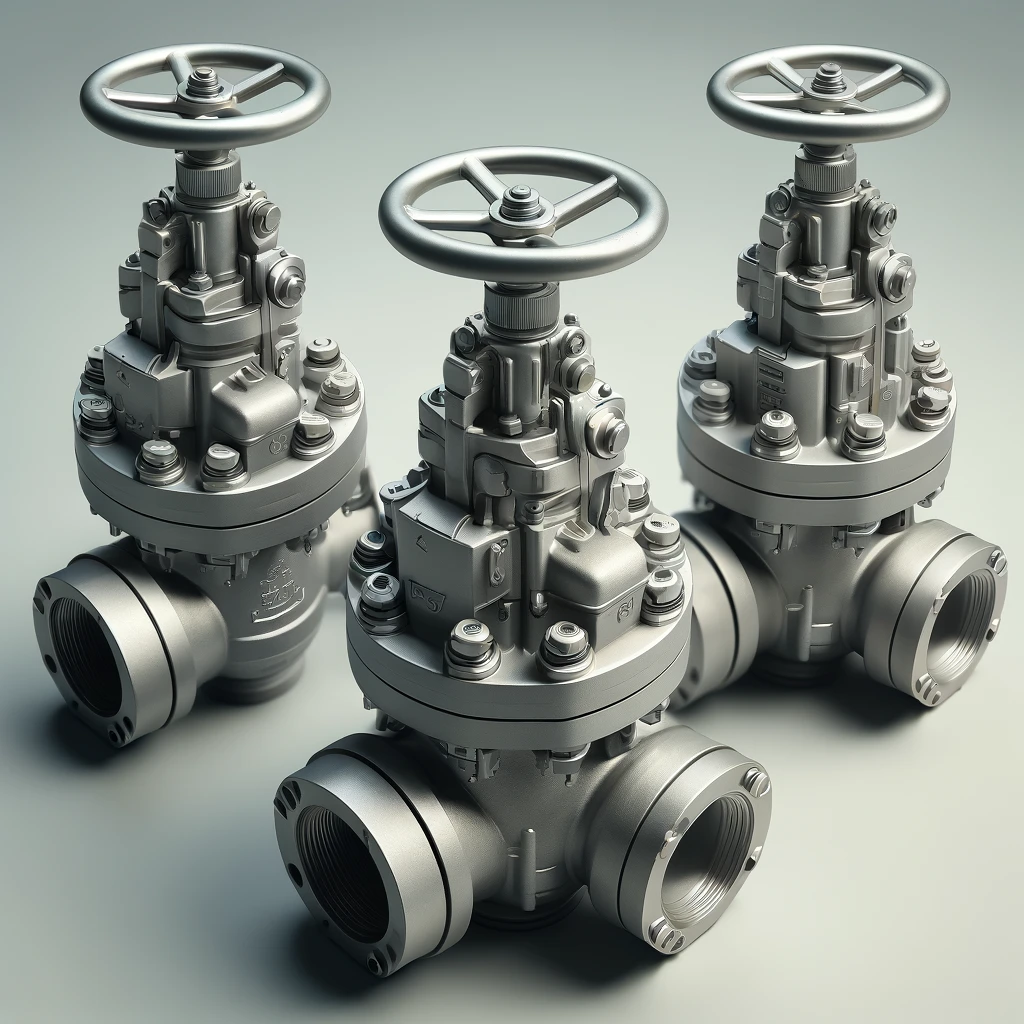
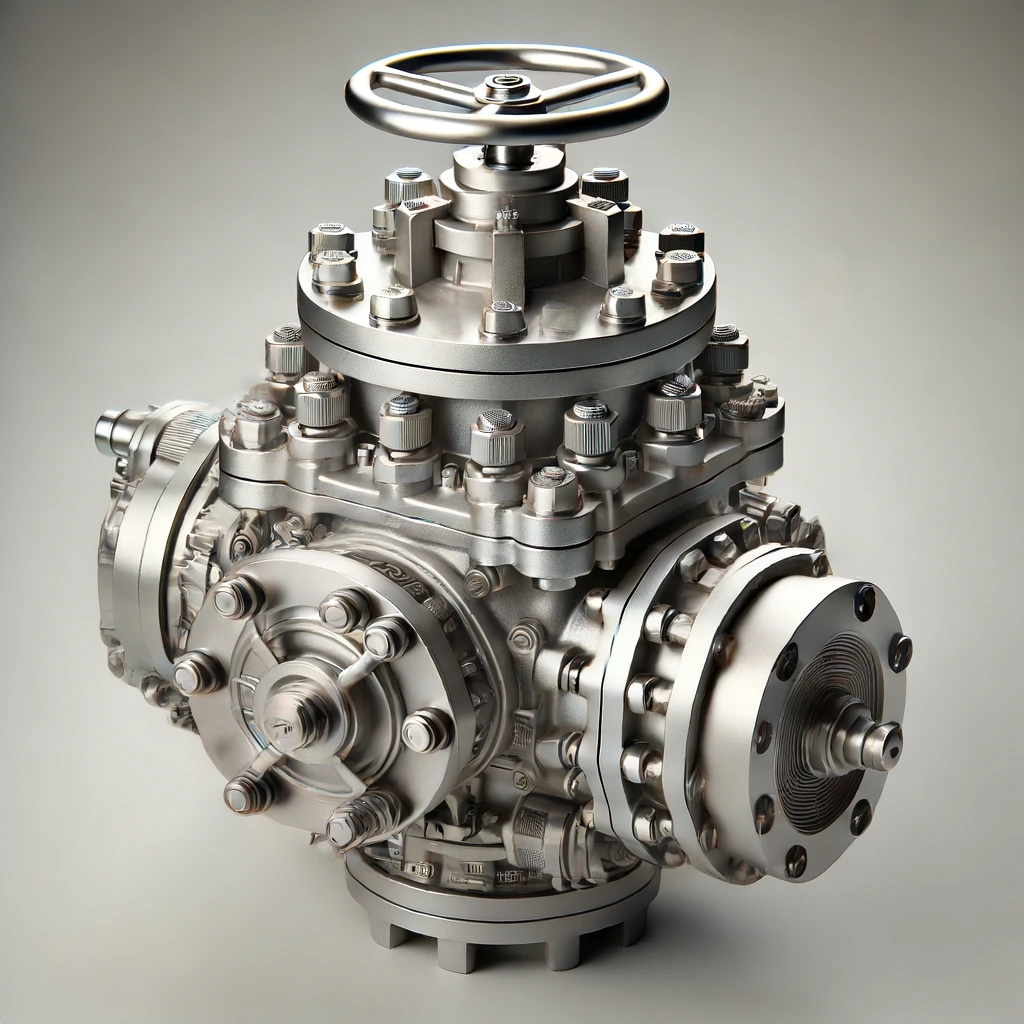
Foam Chamber
Learn what a Foam Chamber is, how it works, its components, applications, installation requirements, maintenance practices, and relevant NFPA 11 standards for protecting fixed roof storage tanks.
What Is a Foam Chamber?
- A Foam Chamber is a fixed foam discharge device designed to protect vertical fixed-roof storage tanks containing flammable and combustible liquids. By gently introducing expanded firefighting foam onto the inner wall of the tank, it minimizes fuel agitation while quickly suppressing flammable vapors and extinguishing surface fires. Foam Chambers are widely used in refineries, petrochemical plants, tank farms, fuel terminals, and other industrial facilities where hydrocarbon storage presents a fire risk.
| Item | Description |
|---|---|
| Equipment Type | Fixed Foam Discharge Device |
| Fire Class | Class B |
| Expansion Type | Low Expansion Foam |
| Typical Installation | Fixed Roof Storage Tanks |
| Standard | NFPA 11 |
| Typical Industry | Oil & Gas, Petrochemical, Tank Farms |
For price inquiries or to receive specialized consultation from imacofire, please contact us at +98-2188220617.

Overview
Storage tanks containing petroleum products and other flammable liquids represent one of the highest fire risks in industrial facilities. Once ignition occurs, the fire can spread rapidly across the liquid surface, producing intense heat, heavy smoke, and flammable vapors.
Traditional water-based firefighting systems are generally ineffective against these types of fires because hydrocarbons float on water. Applying water alone often fails to extinguish the fire and may even contribute to the spread of burning fuel.
To address this challenge, foam-based fire protection systems are used. Among the most important components of these systems is the Foam Chamber, a specially engineered discharge device that introduces expanded firefighting foam into a storage tank in a controlled and efficient manner.
Rather than projecting foam directly onto the burning liquid, a Foam Chamber allows foam to flow gently down the inner wall of the tank before spreading across the fuel surface. This design minimizes turbulence, preserves the integrity of the foam blanket, suppresses flammable vapors, cools the fuel surface, and significantly reduces the possibility of re-ignition.
Today, Foam Chambers are considered a standard fire protection solution for fixed roof storage tanks in refineries, petrochemical plants, fuel depots, marine terminals, and chemical processing facilities throughout the world.
Why Foam Chambers Are Needed
- Large storage tanks can contain thousands or even millions of liters of flammable liquids. If a surface fire develops, extinguishing it requires more than simply applying water. A Foam Chamber provides several critical functions: Introduces foam gently without disturbing the fuel Creates a stable foam blanket Prevents oxygen from reaching the fuel Suppresses flammable vapor release Cools the fuel surface Helps prevent re-ignition Distributes foam evenly across the tank surface These characteristics make Foam Chambers one of the most reliable fixed fire protection devices for atmospheric storage tanks.
Working Principle
-
The operation of a Foam Chamber follows a carefully engineered sequence:
Step 1 – Fire Detection
A fire detection system identifies heat or flames around the storage tank.
Step 2 – System Activation
The foam suppression system is activated automatically or manually.
Step 3 – Foam Solution Generation
Water passes through the foam proportioner, where the correct amount of foam concentrate is mixed into the water stream.
Step 4 – Foam Delivery
The foam solution flows through the piping network toward the Foam Chamber.
Step 5 – Air Aspiration
Inside the Foam Chamber, atmospheric air is drawn into the solution through specially designed air inlets.
Step 6 – Foam Expansion
The mixture expands into finished firefighting foam.
Step 7 – Gentle Application
Instead of impacting the burning fuel directly, the foam flows down the inside wall of the tank.
Step 8 – Fire Suppression
The foam blanket spreads across the liquid surface, suppresses vapors, blocks oxygen, cools the fuel, and extinguishes the fire.
Main Components
-
A typical Foam Chamber consists of:
- Chamber Body
- Foam Generator
- Air Inlet
- Vapor Seal
- Foam Deflector
- Inspection Cover
- Mounting Flange
- Internal Orifice
- Drain Connection
- Fasteners and Gaskets
Each component plays an important role in producing high-quality expanded foam while protecting the system against vapor intrusion and environmental contamination.
Types of Foam Chambers
Standard Foam Chamber
- Used for conventional fixed-roof storage tanks.
Vapor Seal Foam Chamber
- Includes a glass vapor seal that prevents flammable vapors from entering the foam piping system while allowing immediate foam discharge during system activation.
Open-Type Foam Chamber
- Primarily used where vapor sealing is not required.
Applications
-
Foam Chambers are widely used in:
- Oil Storage Tanks
- Diesel Storage Facilities
- Gasoline Storage Tanks
- Aviation Fuel Depots
- Petrochemical Plants
- Refineries
- Tank Farms
- Chemical Processing Plants
- Marine Fuel Terminals
- Industrial Fuel Storage Facilities
Advantages
-
Using Foam Chambers offers several important benefits:
- Rapid fire suppression
- Uniform foam distribution
- Reduced fuel agitation
- Improved foam effectiveness
- Excellent vapor suppression
- Reliable long-term operation
- Minimal maintenance requirements
- Compliance with international fire protection standards
Design Considerations
-
Proper Foam Chamber selection depends on several engineering factors:
- Tank Diameter
- Tank Height
- Foam Application Density
- Foam Expansion Ratio
- Type of Stored Liquid
- Number of Required Foam Chambers
- Wind Conditions
- Water Supply Capacity
- Foam Concentrate Type
- Hydraulic Calculations
Incorrect sizing may result in inadequate foam coverage and ineffective fire suppression.
Relevant Standards
-
NFPA 11
Provides the primary design requirements for low-, medium-, and high-expansion foam systems.
API 650
Defines construction requirements for welded storage tanks that commonly incorporate Foam Chambers.
API 2030
Provides recommendations for fixed fire protection systems used in petroleum facilities.
FM Global
Offers engineering guidance for industrial fire protection design and equipment approval.
Relevant Standards
-
NFPA 11
Provides the primary design requirements for low-, medium-, and high-expansion foam systems.
API 650
Defines construction requirements for welded storage tanks that commonly incorporate Foam Chambers.
API 2030
Provides recommendations for fixed fire protection systems used in petroleum facilities.
FM Global
Offers engineering guidance for industrial fire protection design and equipment approval.
Guidelines and Troubleshooting Guide
Installation Guidelines
- Install at the correct elevation.
- Maintain the required piping slope.
- Protect air inlets from obstruction.
- Verify vapor seal integrity.
- Use corrosion-resistant fasteners.
- Pressure-test the piping network before commissioning.
Inspection & Maintenance
- Visual examination
- Corrosion inspection
- Vapor seal condition
- Foam discharge testing
- Air inlet cleaning
- Gasket replacement when necessary
- Annual functional testing
- Documentation of maintenance activities
Common Problems
- Blocked air inlet
- Damaged vapor seal
- Corrosion
- Foam leakage
- Improper installation angle
- Incorrect foam concentrate
- Insufficient water pressure
- Inadequate foam expansion
Frequently Asked Questions
-
What is a Foam Chamber?
A Foam Chamber is a fixed foam discharge device used to protect fixed roof storage tanks containing flammable liquids.
How does a Foam Chamber work?
It mixes air with foam solution and gently introduces expanded foam into the storage tank to suppress fire.
Where are Foam Chambers installed?
They are typically installed on the upper shell of fixed roof storage tanks.
Which standard covers Foam Chambers?
The primary international standard is NFPA 11.
Can Foam Chambers be used with all foam concentrates?
No. The foam concentrate must be compatible with both the hazard and the system design.
How often should Foam Chambers be inspected?
Inspection frequency depends on local regulations and applicable standards, but regular visual inspections and periodic functional testing are recommended.
Related Products
- Foam Chamber
- Bladder Tank
- Foam Concentrate
- Foam Monitor
- Foam Maker
- Foam Nozzle
Related Articles
- What Is a Foam Fire Suppression System?
- Foam Concentrates Explained
- Fire Protection for Storage Tanks
- Foam Chamber Installation Guide
- NFPA 11 Explained