


Bladder Tank
Bladder Tank
Learn what a bladder tank is, how it works, its components, applications, maintenance, and NFPA requirements for foam fire suppression systems.
What Is a Bladder Tank?
- A Bladder Tank is a balanced-pressure foam proportioning device used in fixed fire suppression systems. It stores foam concentrate inside a flexible internal bladder while water flows through the surrounding pressure vessel. The equal pressure applied to both water and foam concentrate ensures accurate proportioning without requiring external power, making Bladder Tanks one of the most reliable foam proportioning solutions for industrial fire protection systems.
| Item | Description |
|---|---|
| Equipment Name | Bladder Tank |
| Equipment Type | Balanced Pressure Foam Proportioning Equipment |
| Primary Function | Foam Concentrate Storage & Accurate Proportioning |
| Typical Foam Concentrates | AFFF, AR-AFFF, Fluoroprotein, Protein |
| Proportioning Ratio | 1%, 3%, 6% |
| Fire Class | Class B |
| Typical Installation | Fixed Foam Systems |
| Standards | NFPA 11, UL, FM |
| Industries | Oil & Gas, Petrochemical, Aviation, Chemical Plants |
For price inquiries or to receive specialized consultation from imacofire, please contact us at +98-2188220617.

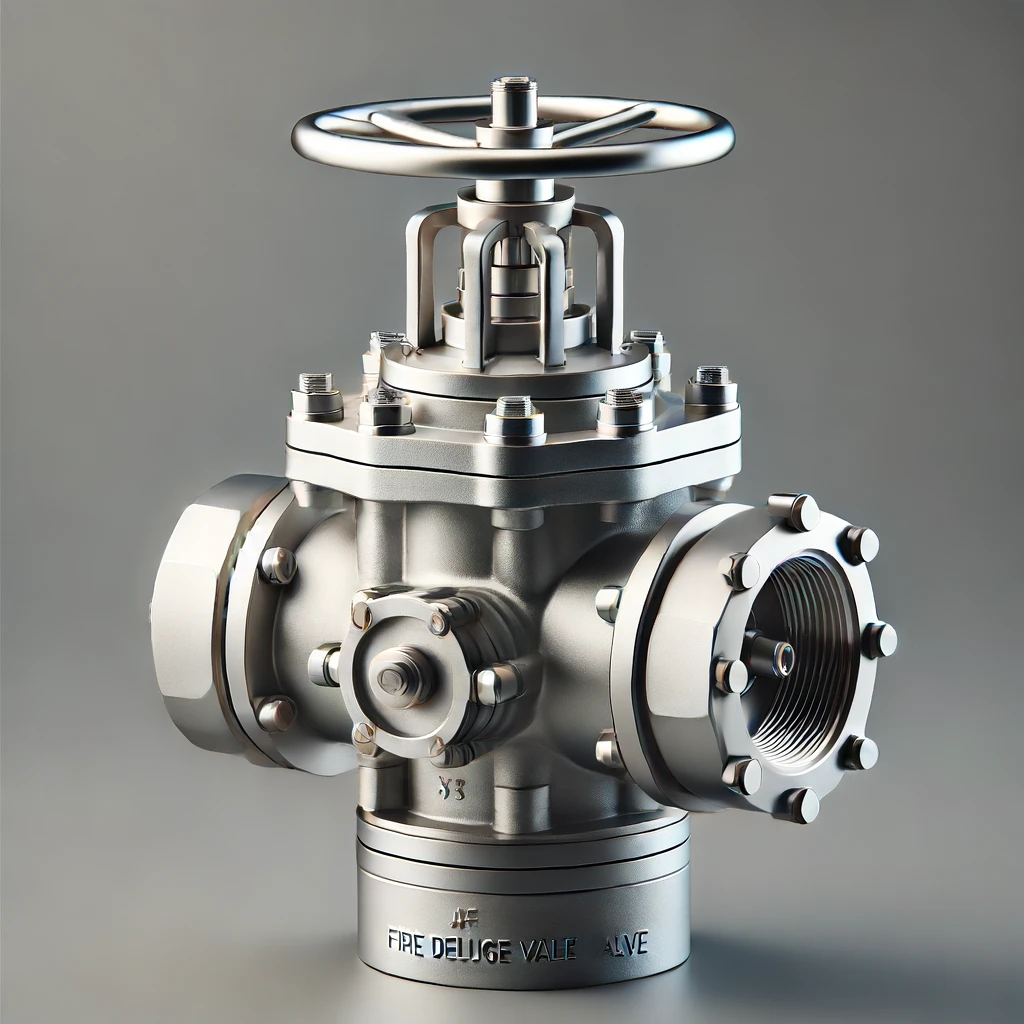
Overview
Industrial facilities that store or process flammable and combustible liquids require specialized fire suppression systems capable of extinguishing hydrocarbon fires rapidly and efficiently. Conventional water-based firefighting systems are generally ineffective for Class B fires because water is unable to create a stable blanket over the surface of burning fuel. Instead, specialized firefighting foam is required to suppress vapors, separate oxygen from the fuel surface, cool the burning liquid, and prevent re-ignition.
One of the most critical components of any foam fire suppression system is the Bladder Tank. Although it may appear to be a simple pressure vessel, it performs one of the most important engineering functions within the entire system: storing foam concentrate and delivering it to the proportioning device at precisely the same pressure as the incoming water supply.
Unlike systems that rely on foam pumps or external power sources, a Bladder Tank operates entirely on hydraulic balance. Water entering the pressure vessel surrounds a flexible elastomeric bladder containing foam concentrate. As water pressure increases, the bladder is compressed uniformly, forcing foam concentrate toward the proportioner where it is accurately mixed with water before being distributed throughout the fire protection system.
This simple yet highly reliable operating principle makes Bladder Tanks one of the most widely used foam proportioning solutions in refineries, petrochemical plants, aircraft hangars, fuel terminals, storage tank farms, loading facilities, marine terminals, and chemical processing industries worldwide.
Their robust construction, low maintenance requirements, and ability to deliver consistent foam concentration throughout the discharge period have made them a preferred solution wherever dependable fire protection is required.
Why Bladder Tanks Are Needed
-
Fire protection systems designed for flammable liquid hazards must deliver foam concentrate at a precise percentage throughout the entire discharge duration. Even a small variation in foam concentration can significantly reduce extinguishing efficiency, increase foam consumption, and in severe cases allow fire re-ignition.
Historically, several methods have been developed to proportion foam concentrate into water, including inline inductors, balanced pressure pump systems, around-the-pump proportioners, and bladder tank systems. Among these, the Bladder Tank has become one of the most reliable and widely accepted solutions because of its simplicity, reliability, and minimal maintenance requirements.
The primary purpose of a Bladder Tank is to provide a continuous supply of foam concentrate to the proportioner while maintaining pressure equal to the incoming water supply. This balanced-pressure principle eliminates the need for dedicated foam transfer pumps and significantly reduces system complexity.
A properly designed Bladder Tank provides several important engineering benefits:
- Accurate foam proportioning throughout system operation
- Reliable performance without electrical power
- Consistent discharge pressure
- Reduced maintenance requirements
- Long operational life
- Minimal moving parts
- High system reliability during emergency conditions
Because of these advantages, Bladder Tanks are frequently specified in mission-critical industrial facilities where uninterrupted fire protection is essential.
Typical facilities include:- Oil Refineries
- Petrochemical Complexes
- Tank Farms
- Fuel Loading Stations
- Aviation Fuel Storage
- Aircraft Hangars
- LNG & LPG Facilities
- Offshore Platforms
- Chemical Processing Plants
- Marine Terminals
Working Principle
-
A Bladder Tank operates using a balanced-pressure principle that allows foam concentrate to be discharged at the same pressure as the incoming water supply.
Unlike mechanical pumping systems, no dedicated foam pump is required.
The operating sequence is as follows:
Step 1 – System Standby
During normal operation, the internal bladder is completely filled with foam concentrate while the surrounding pressure vessel remains empty of pressurized water.
The bladder isolates the foam concentrate from the steel shell, preventing contamination and minimizing corrosion.
Step 2 – System Activation
When a fire suppression system is activated, water begins flowing into the pressure vessel through the water inlet connection.
The water never mixes directly with the foam concentrate.
Instead, it fills the space between the steel shell and the outside surface of the flexible bladder.
Step 3 – Balanced Pressure Generation
As water pressure increases, equal hydraulic pressure is applied uniformly around the bladder.
Because liquids transmit pressure equally in all directions, the foam concentrate inside the bladder experiences the same pressure as the incoming water.
This balanced-pressure condition is the key engineering principle that gives the equipment its name.
Step 4 – Foam Concentrate Discharge
The pressurized foam concentrate exits the bladder through the foam outlet connection and enters the foam proportioner.
The proportioner accurately meters the required percentage of concentrate into the water stream.
Typical mixing ratios include:
- 1%
- 3%
- 6%
depending on the selected foam concentrate and protected hazard.
Step 5 – Foam Solution Generation
The foam concentrate mixes with water to produce a homogeneous foam solution.
This solution is then distributed through the fire protection piping network toward discharge devices such as:
- Foam Chambers
- Foam Makers
- Foam Monitors
- Foam Pourers
- Foam Sprinklers
- Foam Nozzles
Step 6 – Fire Suppression
At the discharge device, air is entrained into the foam solution to generate finished firefighting foam.
The expanded foam forms a stable blanket over the burning liquid, suppresses flammable vapors, cools the fuel surface, separates oxygen from the fire, and prevents re-ignition.
Engineering Tip
One of the most common misconceptions is that a Bladder Tank "creates" firefighting foam.
In reality, the Bladder Tank does not generate foam.
Its only function is to store foam concentrate and supply it to the proportioning device under balanced pressure.
Foam generation occurs later at the discharge equipment such as Foam Chambers, Foam Makers, Foam Monitors, or air-aspirating nozzles.
Main Components
-
Although a Bladder Tank appears to be a simple pressure vessel, it consists of several carefully engineered components that work together to ensure reliable foam concentrate storage and accurate proportioning. Each component plays a vital role in maintaining system performance and complying with international fire protection standards.
1. Steel Pressure Vessel
The outer shell of the Bladder Tank is a heavy-duty carbon steel or stainless steel pressure vessel designed to withstand the maximum operating pressure of the fire protection system.
Its primary functions include:
- Protecting the internal bladder
- Withstanding system pressure
- Providing structural integrity
- Preventing mechanical damage
- Supporting piping connections
Depending on project requirements, the vessel may be internally coated with corrosion-resistant materials and externally painted with epoxy coatings for long-term protection.
2. Flexible Rubber Bladder
The bladder is the heart of the system.Manufactured from high-quality synthetic elastomers such as Butyl Rubber, EPDM, or Nitrile Rubber, it completely separates the foam concentrate from the incoming water.
Its functions include:
- Storing foam concentrate
- Preventing contamination
- Maintaining pressure balance
- Eliminating direct contact between foam concentrate and steel
- Preventing corrosion inside the vessel
The bladder expands and contracts during operation while maintaining its structural integrity over thousands of operating cycles.
3. Foam Concentrate
The internal bladder is filled with an approved firefighting foam concentrate selected according to the protected hazard.
Common foam concentrates include:
- AFFF (Aqueous Film Forming Foam)
- AR-AFFF (Alcohol Resistant AFFF)
- Fluoroprotein Foam
- Protein Foam
- Synthetic Foam
- Class A Foam Concentrate
The type of concentrate depends on the fuel characteristics, environmental regulations, and applicable fire protection standards.
4. Foam Proportioner
The Foam Proportioner is connected to the foam outlet of the bladder tank.
Its function is to accurately inject the correct percentage of foam concentrate into the water stream.
Typical proportioning ratios include:
- 1%
- 3%
- 6%
The accuracy of the proportioner is critical for effective fire suppression and compliance with NFPA 11.
5. Water Inlet and Outlet Connections
Water connections allow the incoming water supply to enter and leave the pressure vessel.
The incoming water surrounds the outside of the bladder and creates balanced hydraulic pressure without mixing directly with the foam concentrate.
6. Foam Outlet Connection
The foam outlet transfers pressurized foam concentrate from the bladder to the proportioner.
This connection is designed to minimize pressure loss and ensure continuous concentrate flow during system operation.
7. Pressure Relief Valve
To protect the pressure vessel from excessive pressure, a pressure relief valve may be installed depending on the system design.
Its functions include:
- Preventing overpressure
- Protecting equipment
- Improving operational safety
8. Inspection Opening
Most Bladder Tanks include an inspection opening or manway that allows engineers to inspect the internal bladder during maintenance.
Routine inspections help detect:
- Bladder wear
- Internal corrosion
- Damage
- Leakage
- Contamination
9. Drain Valve
Drain valves are provided to allow complete draining of water during inspection, maintenance, or system replacement.
Proper drainage helps prevent corrosion and freezing damage.
10. Pressure Gauge Connections
Pressure gauges are installed to monitor operating pressure during commissioning, testing, and emergency system activation.
Continuous pressure monitoring helps verify correct system operation.
Types of Bladder Tanks
Bladder Tanks are available in several configurations to meet different system capacities, installation requirements, and industrial applications.
Horizontal Bladder Tank
-
Horizontal tanks are the most common design used in industrial fire protection systems.
Advantages
- Low overall height
- Easy transportation
- Simple installation
- Suitable for pump rooms
- Excellent stability
Typical capacities range from 200 liters to more than 10,000 liters.
Vertical Bladder Tank
-
Vertical tanks occupy less floor space and are commonly installed where available installation area is limited.
Advantages
- Small footprint
- Suitable for indoor installations
- Easy piping arrangement
- Better use of vertical space
Skid-Mounted Bladder Tank
-
Skid-mounted units are factory assembled complete systems that include:
- Bladder Tank
- Foam Proportioner
- Valves
- Pressure Gauges
- Pipework
Advantages include faster installation and simplified commissioning.
Applications
-
Bladder Tanks are widely used wherever reliable foam proportioning is required for protecting flammable liquid hazards.
Typical applications include:
Oil Refineries
Protection of crude oil tanks, process units, pump stations, and loading facilities.
Petrochemical Plants
Fire protection for chemical processing units, storage tanks, and hazardous production areas.
Tank Farms
Foam systems protecting diesel, gasoline, ethanol, kerosene, and aviation fuel storage tanks.
Aircraft Hangars
High-expansion and low-expansion foam systems protecting aircraft and maintenance facilities.
Fuel Loading Terminals
Truck loading racks, railcar loading stations, marine loading arms, and pipeline terminals.
Chemical Storage Facilities
Protection of flammable solvents, alcohols, and hazardous chemicals.
Offshore Oil & Gas Platforms
Compact skid-mounted bladder tank systems are commonly installed where space is limited.
Marine Terminals
Protection of fuel transfer facilities and marine storage tanks.
Advantages
-
Bladder Tanks remain one of the most widely used foam proportioning systems because of their simplicity and reliability.
Major advantages include:
- No external electrical power required
- No dedicated foam transfer pump
- Accurate foam proportioning
- High reliability during emergency operation
- Low maintenance requirements
- Long service life
- Minimal moving parts
- Easy inspection
- Compact system design
- Suitable for automatic and manual systems
- Compatible with various foam concentrates
- Cost-effective lifecycle
- Proven technology worldwide
- Excellent performance in industrial environments
Compared with more complex foam pumping systems, Bladder Tanks provide an excellent balance between reliability, simplicity, and operational efficiency.
Design Considerations
Selecting the correct Bladder Tank requires detailed hydraulic and fire protection engineering calculations.
Key design parameters include:
Foam Concentrate Capacity
The required foam concentrate volume is determined by:
- Protected hazard
- Foam application rate
- System discharge duration
- Reserve capacity
low Rate
The tank must be capable of supplying the maximum design flow required by the foam system without interruption.
Foam Concentrate Type
Engineers must verify compatibility between the bladder material and the selected foam concentrate.
Proportioning Ratio
Most systems are designed for:
- 1%
- 3%
- 6%
depending on the foam concentrate manufacturer’s recommendations.
Operating Pressure
The pressure vessel must be rated for the maximum anticipated system pressure with an adequate safety factor.
Temperature Conditions
Ambient temperature influences:
- Foam concentrate viscosity
- Bladder flexibility
- Hydraulic performance
Special designs may be required for extremely hot or cold environments.
Corrosion Protection
Material selection and protective coatings should consider:
- Marine environments
- Coastal installations
- Chemical exposure
- Humidity
- Outdoor weather conditions
Relevant Standards
-
The design should comply with internationally recognized standards, including:
- NFPA 11 – Standard for Low-, Medium-, and High-Expansion Foam
- NFPA 16 – Foam-Water Sprinkler and Foam-Water Spray Systems
- UL Listed requirements (where specified)
- FM Approved criteria (where required)
- Project specifications and local fire regulations
Guidelines and Troubleshooting Guide
Installation Guidelines
- Install at the correct elevation.
- Maintain the required piping slope.
- Protect air inlets from obstruction.
- Verify vapor seal integrity.
- Use corrosion-resistant fasteners.
- Pressure-test the piping network before commissioning.
Inspection & Maintenance
- Visual examination
- Corrosion inspection
- Vapor seal condition
- Foam discharge testing
- Air inlet cleaning
- Gasket replacement when necessary
- Annual functional testing
- Documentation of maintenance activities
Common Problems
- Blocked air inlet
- Damaged vapor seal
- Corrosion
- Foam leakage
- Improper installation angle
- Incorrect foam concentrate
- Insufficient water pressure
- Inadequate foam expansion
Frequently Asked Questions
-
1. What is a Bladder Tank?
A Bladder Tank is a balanced-pressure foam proportioning device used in fixed fire suppression systems. It stores foam concentrate inside a flexible rubber bladder while water flows around the outside of the bladder within a steel pressure vessel. This hydraulic arrangement ensures that foam concentrate is discharged at the same pressure as the incoming water, allowing accurate proportioning without the need for a foam pump.
2. How does a Bladder Tank work?
When the fire protection system is activated, water enters the pressure vessel and surrounds the flexible bladder. The water pressure compresses the bladder uniformly, forcing the foam concentrate toward the foam proportioner. The proportioner then injects the correct percentage of foam concentrate into the water stream before it is delivered to the foam discharge devices.
3. Why is a Bladder Tank used in foam fire suppression systems?\
A Bladder Tank provides a reliable and accurate method of storing and proportioning foam concentrate. It eliminates the need for a dedicated foam pump, requires minimal maintenance, and delivers consistent foam concentration throughout the entire discharge period, making it one of the most dependable foam proportioning methods available.
4. What types of foam concentrate can be used in a Bladder Tank?
Bladder Tanks are compatible with a wide range of firefighting foam concentrates, including:
- AFFF (Aqueous Film Forming Foam)
- AR-AFFF (Alcohol-Resistant AFFF)
- Fluoroprotein Foam
- Protein Foam
- Synthetic Foam Concentrates
- Class A Foam Concentrates
The selected bladder material must always be chemically compatible with the foam concentrate.
5. Does a Bladder Tank require electricity to operate?
No. One of the major advantages of a Bladder Tank is that it operates entirely by hydraulic pressure. It does not require electrical power, motors, or dedicated foam pumps, making it highly reliable during emergency situations and power failures.
6. What is the difference between a Bladder Tank and a Foam Concentrate Storage Tank?
A standard foam concentrate storage tank simply stores foam concentrate and requires an external pump or proportioning system to transfer it. A Bladder Tank, however, not only stores the foam concentrate but also uses water pressure to discharge it at the correct pressure for accurate proportioning, eliminating the need for a separate foam transfer pump.
7. What is the typical proportioning ratio for a Bladder Tank system?
Most Bladder Tank systems are designed to proportion foam concentrate at one of the following standard ratios:
- 1%
- 3%
- 6%
The correct ratio depends on the type of foam concentrate, the protected hazard, and the applicable fire protection standard.
8. Where are Bladder Tanks commonly installed?
Bladder Tanks are widely used in facilities that handle or store flammable liquids, including:
- Oil Refineries
- Petrochemical Plants
- Tank Farms
- Fuel Storage Depots
- Aircraft Hangars
- Chemical Processing Facilities
- Marine Terminals
- Power Plants
- Offshore Platforms
- Industrial Warehouses
9. Which international standards apply to Bladder Tanks?
Bladder Tanks are commonly designed and installed in accordance with internationally recognized standards such as:
- NFPA 11 – Standard for Low-, Medium-, and High-Expansion Foam
- NFPA 16 – Standard for Foam-Water Sprinkler and Foam-Water Spray Systems
- UL Listed requirements
- FM Approved standards
- Applicable local fire codes and project specifications
10. How often should a Bladder Tank be inspected?
Regular inspection is essential to ensure reliable operation. A typical maintenance program includes:
- Routine visual inspections
- Periodic pressure checks
- Inspection of valves and piping
- Foam concentrate quality testing
- Bladder condition assessment
- Functional testing in accordance with NFPA recommendations and the manufacturer's maintenance instructions
11. How long does a Bladder Tank last?
The service life of a Bladder Tank depends on operating conditions, maintenance practices, environmental exposure, and the compatibility of the foam concentrate. With proper inspection and maintenance, a high-quality Bladder Tank can provide reliable service for many years.
12. Can a Bladder Tank be installed outdoors?
Yes. Bladder Tanks can be installed both indoors and outdoors. For outdoor installations, the pressure vessel should be protected with corrosion-resistant coatings, and the system should be designed to withstand environmental conditions such as extreme temperatures, humidity, and UV exposure.
13. What happens if the internal bladder is damaged?
If the bladder becomes damaged, water may mix with the foam concentrate, reducing the effectiveness of the foam suppression system. A damaged bladder should be replaced immediately, and the entire system should be inspected and recommissioned before being returned to service.
14. What is the difference between a Bladder Tank system and a Balanced Pressure Pump System?
A Bladder Tank uses incoming water pressure to discharge foam concentrate without requiring a dedicated foam pump. In contrast, a Balanced Pressure Pump System relies on a mechanical foam pump and control valves to maintain equal pressure between the water and foam concentrate. Bladder Tanks are generally simpler and require less maintenance, while pump systems are often selected for very large or high-flow industrial applications.
15. How do I choose the correct Bladder Tank size?
The appropriate Bladder Tank capacity depends on several engineering factors, including:
- Required foam application rate
- Total system flow rate
- Discharge duration
- Foam concentrate type
- Proportioning ratio
- Protected hazard
- Applicable fire protection standards
A detailed hydraulic calculation should always be performed to ensure the selected tank meets the system's design requirements.
Related Products
- Foam Chamber
- Bladder Tank
- Foam Concentrate
- Foam Monitor
- Foam Maker
- Foam Nozzle
Related Articles
- What Is a Foam Fire Suppression System?
- Foam Concentrates Explained
- Fire Protection for Storage Tanks
- Foam Chamber Installation Guide
- NFPA 11 Explained