


FOAM PROPORTIONER
FOAM PROPORTIONER
Learn what a Foam Proportioner is, how it works, different proportioning methods, applications, design considerations, and NFPA 11 requirements for foam fire suppression systems.
What Is a Foam Proportioner?
- A Foam Proportioner is a critical component of a foam fire suppression system that accurately mixes foam concentrate with water at a predetermined ratio, typically 1%, 3%, or 6%. Proper proportioning ensures the firefighting foam achieves the required expansion, drainage time, and extinguishing performance. Foam Proportioners are widely used in tank farms, petrochemical plants, refineries, aircraft hangars, marine terminals, and industrial fire protection systems where reliable foam delivery is essential.
-
Quick Facts
| Item | Description |
|---|---|
| Equipment Name | Foam Proportioner |
| Equipment Type | Foam Proportioning Device |
| Primary Function | Mixes Foam Concentrate with Water |
| Typical Mixing Ratios | 1%, 3%, 6% |
| Operating Medium | Water & Foam Concentrate |
| Installation | Fixed Fire Protection Systems |
| Common Types | Bladder Tank Proportioner, Balanced Pressure, Inline Inductor, Around-the-Pump |
| Applicable Standards | NFPA 11, NFPA 16, UL 162, FM Approved |
| Typical Applications | Refineries, Tank Farms, Petrochemical Plants, Aircraft Hangars, Marine Facilities |
For price inquiries or to receive specialized consultation from imacofire, please contact us at +98-2188220617.

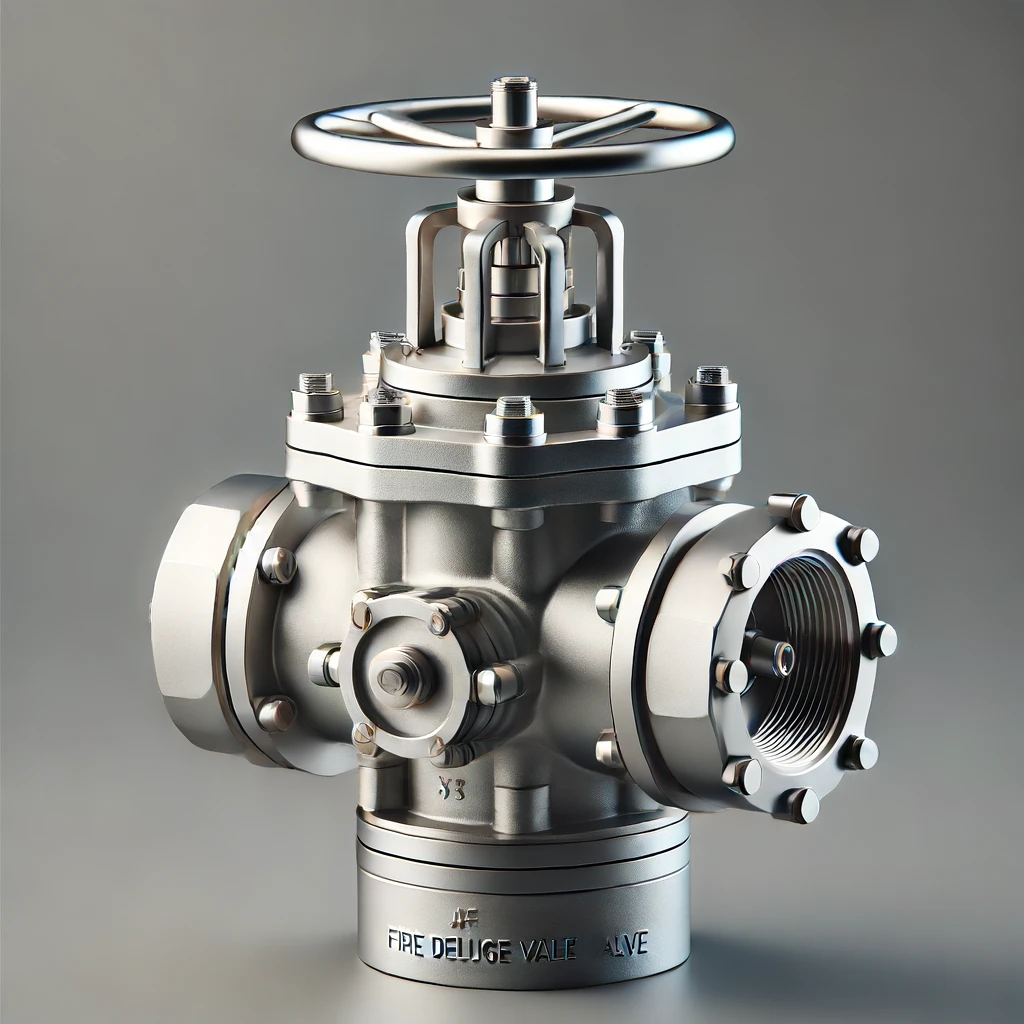
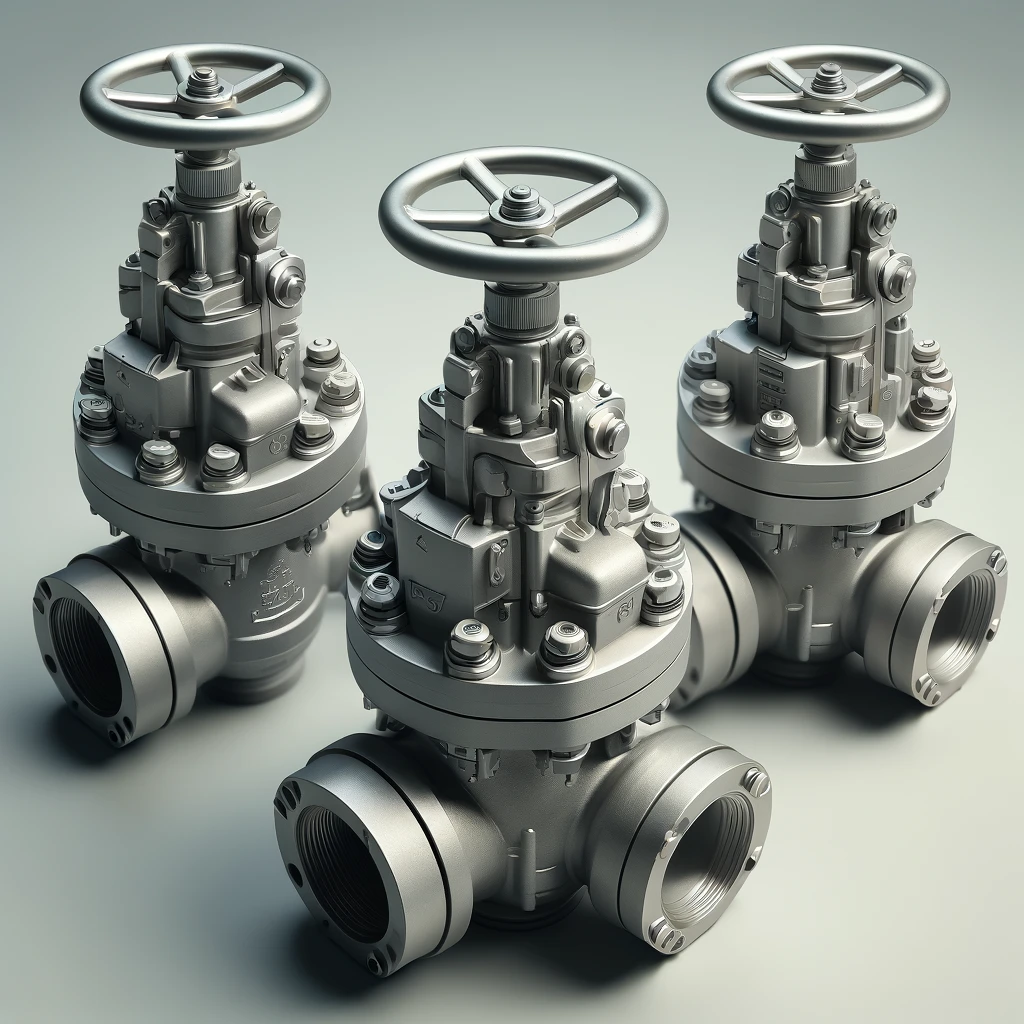
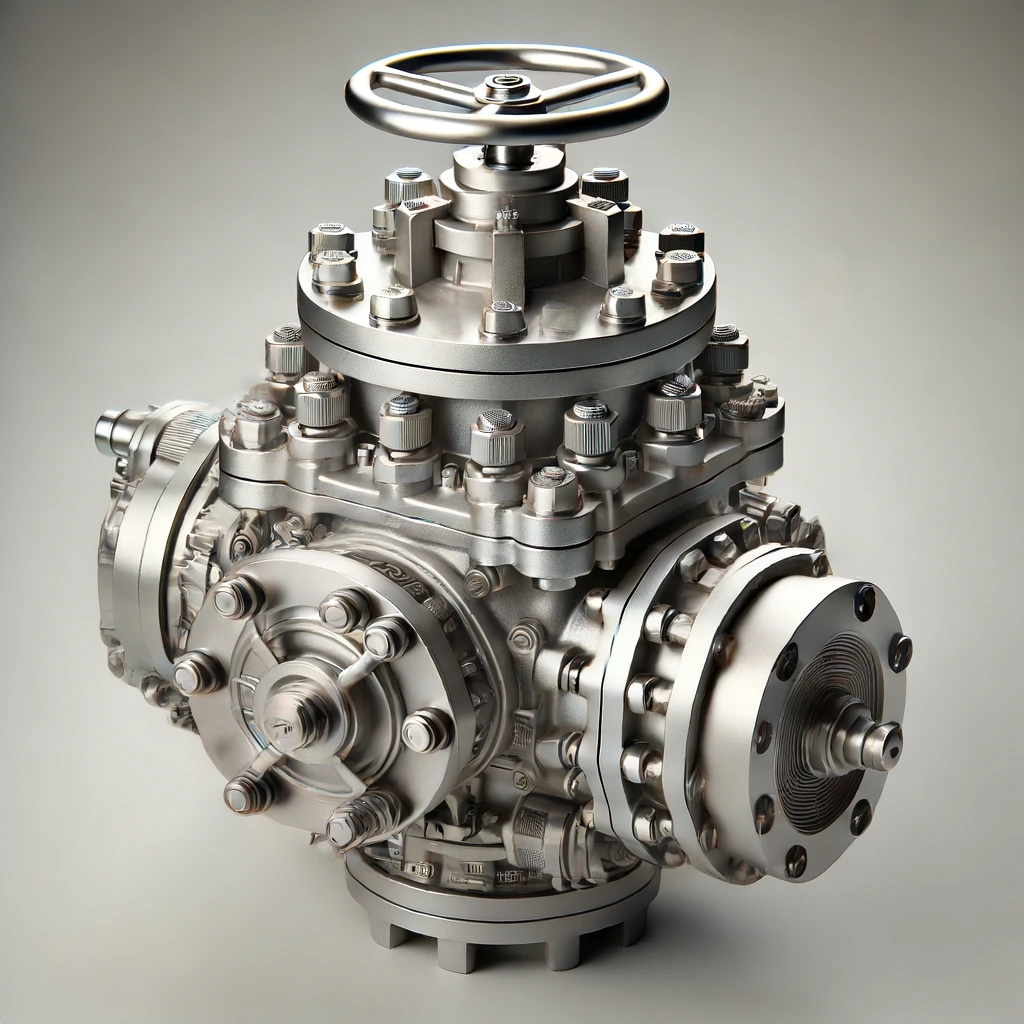
Overview
provides the firefighting agent and discharge devices such as Foam Monitors or Foam Chambers apply the finished foam to the hazard, the Foam Proportioner performs the critical task of accurately mixing the concentrate with water. Without correct proportioning, the foam solution will not achieve the performance required for effective fire suppression.
Modern Foam Proportioners are designed to maintain a consistent mixing ratio across a wide range of flow rates and operating pressures. This ensures that the finished foam retains its extinguishing properties regardless of changes in system demand.
Foam Proportioners are used in virtually every industrial foam fire protection system, including oil refineries, petrochemical plants, fuel storage terminals, aircraft hangars, offshore platforms, and chemical processing facilities. Depending on the application, different proportioning methods may be selected to optimize system performance, reliability, and maintenance requirements.
Correct selection of a Foam Proportioner is essential for ensuring compliance with international standards such as NFPA 11 and for achieving reliable protection against flammable liquid fires.
Why Foam Proportioners Are Needed
-
Firefighting foam is only effective when the foam concentrate is mixed with water at the precise concentration specified by the manufacturer. Even a small deviation from the required ratio can significantly reduce the performance of the foam blanket.
Foam Proportioners are used to ensure that the correct amount of foam concentrate is injected into the water stream under all operating conditions.
The primary reasons for using Foam Proportioners include:- Accurate foam concentrate dosing.
- Consistent foam quality.
- Compliance with NFPA 11 requirements.
- Reliable fire suppression performance.
- Prevention of foam concentrate waste.
- Compatibility with various foam concentrates.
- Stable operation over a wide range of flow rates.
- Improved firefighter safety.
- Reduced maintenance compared to manual mixing.
- Reliable performance during emergency conditions.
Foam Proportioners are an indispensable part of any engineered foam fire protection system and play a vital role in ensuring that the finished foam performs as intended during a fire emergency.
Working Principle
-
before the solution is discharged through foam-producing devices such as Foam Monitors, Foam Chambers, Foam Makers, or Foam-Water Sprinklers.Maintaining the correct proportion is critical because both under-proportioning and over-proportioning can negatively affect firefighting performance, foam quality, and system efficiency.The operating sequence of a Foam Proportioner can be divided into the following stages.
Step 1 – Fire Detection and System Activation
The process begins when a fire is detected or when the foam fire suppression system is manually activated.
Activation methods may include:
- Heat Detection Systems
- Flame Detection Systems
- Gas Detection Systems
- Manual Release Stations
- Fire Alarm Control Panels
Once activated, the fire water system starts supplying pressurized water to the foam proportioning equipment.
Step 2 – Water Flow Through the Proportioner
Pressurized water enters the Foam Proportioner from the fire water network.
Depending on the system design, the water may pass through:
- Venturi Devices
- Ratio Controllers
- Balanced Pressure Valves
- Inline Proportioners
- Foam Pump Systems
The water flow creates the hydraulic conditions necessary to introduce foam concentrate into the stream.
Step 3 – Foam Concentrate Injection
Foam concentrate is supplied from storage equipment such as:
- Bladder Tanks
- Atmospheric Foam Tanks
- Foam Pump Skids
- Foam Storage Tanks
The Foam Proportioner meters the concentrate into the water stream at the required ratio.
Typical proportioning ratios include:
- 1%
- 3%
- 6%
Maintaining an accurate proportion is essential for compliance with NFPA 11 and the foam manufacturer's recommendations.
Step 4 – Formation of Foam Solution
After the concentrate is injected, it mixes thoroughly with the flowing water to create a homogeneous foam solution.
A properly designed proportioner ensures that the mixture remains consistent even when:
- Water demand changes
- Multiple monitors operate simultaneously
- Fire pumps switch automatically
- System pressure fluctuates
Step 5 – Distribution Through the Fire Protection Network
The foam solution is transported through the piping system to the discharge devices.
Common discharge equipment includes:
- Foam Chambers
- Foam Monitors
- Foam Makers
- Foam Pourers
- Foam-Water Sprinklers
- Foam Nozzles
At this stage, the solution is still a liquid mixture and has not yet become finished firefighting foam.
Step 6 – Foam Generation
When the foam solution reaches the discharge device, atmospheric air is introduced into the mixture.
This process generates millions of stable bubbles, producing finished firefighting foam.
The resulting foam forms a continuous blanket over the burning fuel, suppressing vapors, cooling the fuel surface, and preventing re-ignition.
Engineering Insight
A Foam Proportioner does not generate foam—it only ensures that the correct quantity of foam concentrate is mixed with water. The finished foam is created later at the discharge device. Even the highest-quality Foam Concentrate cannot perform effectively if the proportioner delivers an incorrect mixing ratio.
Main Components
-
accurate foam concentrate dosing under varying flow conditions.
1. Proportioning Chamber
The proportioning chamber is the central section where water and foam concentrate are combined.
Its internal geometry is designed to promote efficient mixing while minimizing pressure loss.
Key functions include:
- Controlling the mixing process
- Maintaining hydraulic stability
- Reducing turbulence
- Ensuring uniform foam solution quality
2. Venturi Section
Many Foam Proportioners use the Venturi principle to create a pressure differential that draws foam concentrate into the water stream.
As water flows through the narrowed section, its velocity increases while the pressure decreases.
This pressure reduction creates suction that pulls foam concentrate into the flowing water.
Advantages include:
- No external power required
- Simple operation
- High reliability
- Low maintenance
3. Foam Concentrate Inlet
The concentrate inlet connects the proportioner to the foam storage system.
It is designed to deliver a steady and unrestricted flow of foam concentrate.
Proper sizing of this connection is essential to maintain accurate proportioning.
4. Water Inlet
The water inlet supplies pressurized water from the fire water system.
Stable inlet pressure is one of the most important factors affecting proportioning accuracy.
The inlet should always comply with the manufacturer's recommended operating pressure range.
5. Mixing Outlet
After proportioning is complete, the foam solution exits through the mixing outlet and enters the fire protection piping system.
The outlet should provide smooth flow with minimal pressure loss to ensure efficient downstream performance.
6. Ratio Controller
The ratio controller regulates the amount of foam concentrate introduced into the water stream.
Depending on the system design, it may be:
- Fixed Ratio
- Adjustable Ratio
- Automatic Pressure-Balanced
Its primary purpose is to maintain the specified concentration regardless of changes in system flow.
7. Check Valve
Check valves prevent reverse flow from the water system into the foam concentrate storage tank.
This protects the concentrate from contamination and helps maintain system integrity.
8. Isolation Valves
Isolation valves allow maintenance or replacement of system components without draining the entire foam system.
They also facilitate periodic inspection and testing.
9. Pressure Gauges
Pressure gauges are installed to monitor operating conditions.
Typical locations include:
- Water Inlet
- Foam Concentrate Line
- Foam Solution Outlet
These measurements help technicians verify correct system operation during commissioning and maintenance.
10. Flow Control Components
Depending on the proportioning method, additional flow control devices may be installed to improve proportioning accuracy across a wide operating range.
These components may include:
- Automatic Control Valves
- Pressure-Regulating Valves
- Differential Pressure Valves
- Orifice Plates
- Flow Restrictors
Quick Engineering Tip
One of the most common causes of foam system failure is not a defective Foam Proportioner, but an improperly sized hydraulic system. If the available water pressure or flow rate falls outside the proportioner's design range, the mixing ratio may deviate from the specified value, reducing the effectiveness of the firefighting foam.
Types of Foam Proportioners
-
Several proportioning technologies have been developed to meet the varying demands of industrial fire protection systems. Each type offers distinct advantages depending on the application, required flow rate, system complexity, maintenance requirements, and available water supply.
Selecting the appropriate Foam Proportioner is one of the most important engineering decisions in the design of a foam fire suppression system.
1. Bladder Tank Proportioner
The Bladder Tank Proportioner is one of the most reliable and widely used foam proportioning methods for fixed fire protection systems.
In this system, foam concentrate is stored inside a flexible bladder within a pressure vessel. As fire water enters the vessel, it surrounds the bladder and applies equal pressure to the foam concentrate. The concentrate is then discharged through a ratio controller where it mixes with the incoming water.
Advantages
- No external power required
- Highly reliable
- Low maintenance
- Simple operation
- Excellent proportioning accuracy
- Suitable for remote installations
Limitations
- Limited foam storage capacity
- Bladder replacement required after long service life
- Less flexible for future system expansion
Typical Applications
- Tank Farms
- Aircraft Hangars
- Petrochemical Plants
- Fuel Depots
- Warehouses
2. Balanced Pressure Proportioner
Balanced Pressure Proportioners maintain equal pressure on both the water and foam concentrate sides of the system.
Pressure-regulating valves continuously adjust the foam concentrate pressure to match the fire water pressure, ensuring accurate proportioning over a wide range of flow rates.
Advantages
- Excellent accuracy
- Wide operating range
- Suitable for multiple discharge devices
- Consistent foam quality
- Ideal for large industrial systems
Limitations
- More complex than bladder tank systems
- Higher initial cost
- Requires periodic calibration
Typical Applications
- Oil Refineries
- LNG Facilities
- Marine Terminals
- Large Tank Farms
3. Around-the-Pump Proportioner
This proportioning method is commonly used on fire apparatus.
A portion of the fire pump discharge is diverted through a Venturi device, creating suction that draws foam concentrate into the water stream before returning it to the pump suction.
Advantages
- Economical
- Easy installation
- Compact design
- Suitable for fire trucks
Limitations
- Limited operating range
- Not suitable for fixed industrial systems
- Reduced efficiency at varying flow rates
Typical Applications
- Municipal Fire Engines
- Airport Fire Vehicles
- Industrial Emergency Response Vehicles
4. Inline Foam Inductor
An Inline Foam Inductor uses the Venturi principle to draw foam concentrate into the water stream.
As water passes through the Venturi throat, pressure decreases and foam concentrate is inducted automatically.
Advantages
- Simple design
- No moving parts
- Low maintenance
- Portable
- Cost-effective
Limitations
- Pressure loss
- Limited flow range
- Sensitive to hydraulic conditions
Typical Applications
- Hose Line Operations
- Portable Foam Systems
- Small Fire Protection Installations
5. Foam Pump Proportioning System
Foam Pump Systems utilize a dedicated positive displacement foam pump to inject concentrate directly into the fire water pipeline.
Electronic or mechanical controllers regulate the injection rate according to the system demand.
Advantages
- High accuracy
- Suitable for very large systems
- Wide operating range
- Flexible expansion
- Excellent reliability
Limitations
- Higher installation cost
- Requires electrical power
- Increased maintenance
Typical Applications
- Petrochemical Complexes
- Offshore Platforms
- Airports
- Large Refineries
6. Direct Injection System
Direct Injection Systems use electronic flow meters and variable-speed foam pumps to continuously adjust the foam injection rate.
The system automatically responds to changes in water flow, maintaining the desired concentration under all operating conditions.
Advantages
- Highest proportioning accuracy
- Automatic control
- Low foam consumption
- Wide operating range
- Digital monitoring
Limitations
- Highest initial investment
- Requires sophisticated controls
- Needs regular calibration
Typical Applications
- Modern Industrial Facilities
- LNG Plants
- High-Risk Petrochemical Installations
- Airport Fire Protection Systems
Comparison of Foam Proportioning Systems
System Type Accuracy Maintenance Initial Cost Power Required Typical Application Bladder Tank ★★★★★ Low Medium No Fixed Systems Balanced Pressure ★★★★★ Medium High No Industrial Facilities Around-the-Pump ★★★☆☆ Low Low No Fire Trucks Inline Inductor ★★★☆☆ Very Low Low No Portable Systems Foam Pump System ★★★★★ Medium High Yes Large Industrial Plants Direct Injection ★★★★★ Medium Very High Yes Advanced Fire Protection Systems
Applications
-
Foam Proportioners are installed wherever engineered foam fire suppression systems are required.
Common applications include:
- Oil Refineries
- Petrochemical Plants
- Fuel Storage Depots
- Tank Farms
- Aircraft Hangars
- Marine Terminals
- Offshore Platforms
- LNG & LPG Facilities
- Chemical Processing Plants
- Pharmaceutical Facilities
- Power Plants
- Warehouses Storing Flammable Liquids
Advantages
Properly designed Foam Proportioners provide numerous operational and safety benefits:
- Accurate foam concentrate dosing
- Consistent foam quality
- Reliable fire suppression
- Reduced foam concentrate waste
- Compliance with international standards
- Wide operating range
- Low operating costs
- Improved firefighter safety
- Long service life
- Easy integration with fixed fire protection systems
Design Considerations
When selecting a Foam Proportioner, engineers should evaluate:
- Required flow rate
- Available water pressure
- Foam concentrate type
- Mixing ratio (1%, 3%, or 6%)
- Number of simultaneous discharge devices
- Hydraulic pressure losses
- Future system expansion
- Ambient environmental conditions
- Maintenance accessibility
- Compliance with NFPA 11 and local regulations
Installation Guidelines
To ensure reliable performance:
- Install according to the manufacturer's instructions.
- Verify correct orientation of the proportioner.
- Use properly sized piping.
- Minimize unnecessary elbows and fittings.
- Install isolation valves for maintenance.
- Provide pressure gauges at key locations.
- Perform hydraulic testing before commissioning.
- Confirm correct foam concentrate compatibility.
Inspection & Maintenance
Routine maintenance should include:
- Visual inspection of all piping and valves.
- Verification of foam concentrate levels.
- Inspection for leaks or corrosion.
- Functional testing of ratio controllers.
- Pressure gauge calibration.
- Flow testing at scheduled intervals.
- Foam concentrate quality testing.
- Cleaning of strainers and filters.
- Verification of proportioning accuracy.
Maintenance Schedule
Activity Frequency Visual Inspection Monthly Valve Operation Check Quarterly Pressure Gauge Inspection Quarterly Foam Concentrate Sampling Annually Proportioning Accuracy Test Annually Complete System Inspection Every 5 Years
Common Problems
-
Even a properly designed Foam Proportioner may experience operational issues if it is incorrectly installed, inadequately maintained, or operated outside its design limits. Identifying these problems early is essential to ensure reliable foam system performance during an emergency.
1. Incorrect Foam Concentration
Possible Causes
- Incorrect ratio controller
- Blocked foam concentrate line
- Worn proportioning components
- Insufficient foam concentrate supply
- Incorrect hydraulic calculations
Recommended Solution
- Verify the ratio controller setting.
- Inspect the foam concentrate piping.
- Perform a proportioning accuracy test.
- Check concentrate storage levels.
- Confirm system flow calculations.
2. Low Foam Concentrate Flow
Possible Causes
- Closed isolation valve
- Blocked suction line
- Collapsed bladder (Bladder Tank Systems)
- Pump malfunction
- Air trapped inside concentrate piping
Recommended Solution
- Open all isolation valves.
- Flush the concentrate piping.
- Inspect the bladder condition.
- Service the foam pump.
- Remove trapped air.
3. Excessive Pressure Loss
Possible Causes
- Undersized piping
- Dirty strainers
- Excessive pipe fittings
- Partially closed valves
- Internal obstruction
Recommended Solution
- Clean strainers.
- Inspect the piping network.
- Remove unnecessary restrictions.
- Verify valve positions.
- Review hydraulic calculations.
4. Foam Quality Problems
Possible Causes
- Incorrect foam concentrate
- Expired concentrate
- Incorrect proportioning ratio
- Poor discharge equipment performance
Recommended Solution
- Test the foam concentrate.
- Replace expired concentrate.
- Verify proportioning accuracy.
- Inspect discharge devices.
5. Reverse Flow into Foam Tank
Possible Causes
- Damaged check valve
- Incorrect installation
- Excessive pressure differential
Recommended Solution
- Replace the check valve.
- Verify installation direction.
- Inspect pressure regulating devices.
6. Leakage
Possible Causes
- Damaged seals
- Loose flange bolts
- Corroded piping
- Failed gaskets
Recommended Solution
- Replace seals.
- Tighten flange bolts.
- Install new gaskets.
- Repair damaged piping.
Troubleshooting Guide
Problem Possible Cause Recommended Action Incorrect Foam Ratio Ratio controller malfunction Calibrate or replace controller No Foam Flow Empty tank or blocked concentrate line Refill tank and inspect piping Pressure Drop Dirty strainer Clean or replace strainer Poor Foam Quality Incorrect concentrate Verify foam specification Water in Foam Tank Failed check valve Replace check valve Foam Pump Failure Electrical or mechanical fault Inspect motor and pump assembly Excessive Foam Consumption Incorrect ratio setting Verify proportioning percentage Unstable System Pressure Fire pump issue Inspect fire pump performance Relevant Standards
Foam Proportioners should be designed, installed, tested, and maintained in accordance with internationally recognized standards.
Standard Description NFPA 11 Standard for Low-, Medium-, and High-Expansion Foam Systems NFPA 16 Foam-Water Sprinkler and Foam-Water Spray Systems NFPA 20 Installation of Stationary Fire Pumps UL 162 Foam Equipment Certification FM Approval Fire Protection Equipment Performance Standard ISO 7203 Foam Concentrate Performance Standard API 2030 Fire Protection in Petroleum Facilities Frequently Asked Questions (FAQ)
1. What is a Foam Proportioner?
A Foam Proportioner is a device that accurately mixes foam concentrate with water to create a foam solution used in firefighting systems.
2. Why is accurate proportioning important?
Incorrect foam concentration may reduce extinguishing performance, waste foam concentrate, or fail to comply with NFPA 11 requirements.
3. What are the standard proportioning ratios?
The most common ratios are:
- 1%
- 3%
- 6%
The required ratio depends on the foam concentrate and the protected hazard.
4. Does every foam system require a Foam Proportioner?
Yes. Every engineered foam fire suppression system requires a reliable method of proportioning foam concentrate into the water supply.
5. What is the difference between a Foam Proportioner and a Bladder Tank?
A Bladder Tank stores the foam concentrate under pressure, while the Foam Proportioner is responsible for accurately mixing the concentrate with water. In many systems, these two components work together as a single integrated solution.
6. Can one Foam Proportioner supply multiple Foam Monitors?
Yes. If properly designed, a Foam Proportioner can simultaneously supply multiple discharge devices while maintaining the correct proportioning ratio.
7. Which industries commonly use Foam Proportioners?
Foam Proportioners are widely used in:
- Oil Refineries
- Petrochemical Plants
- Tank Farms
- Airports
- Marine Terminals
- Offshore Platforms
- Chemical Processing Facilities
8. How is proportioning accuracy verified?
Accuracy is verified through proportioning tests, flow tests, and laboratory analysis of the foam solution to ensure it meets the specified concentration.
9. Can Foam Proportioners be used with all foam concentrates?
Not always. The proportioner must be compatible with the type of foam concentrate, required mixing ratio, and system flow range.
10. What maintenance is required?
Routine maintenance includes visual inspections, pressure checks, flow testing, calibration, cleaning of strainers, and periodic testing of the foam concentrate.
11. What happens if the proportioning ratio is too low?
An insufficient concentration of foam concentrate may result in weak foam, inadequate vapor suppression, slower fire extinguishment, and an increased risk of re-ignition.
12. What happens if the proportioning ratio is too high?
Excess concentrate generally does not improve firefighting performance. Instead, it increases operating costs, wastes foam concentrate, and may create unnecessary cleanup challenges.
13. Can a Foam Proportioner operate without electricity?
Yes. Many systems, such as Bladder Tank Proportioners and Inline Foam Inductors, operate solely on hydraulic principles and do not require electrical power.
14. How often should a Foam Proportioner be tested?
The testing frequency depends on the applicable standard, local regulations, and the manufacturer's recommendations. Functional inspections are typically carried out regularly, while full proportioning tests are performed during scheduled maintenance programs.
15. How do I choose the right Foam Proportioner?
Selection depends on several engineering factors, including:
- Required flow rate
- Available water pressure
- Foam concentrate type
- Number of discharge devices
- System configuration
- Applicable standards
- Future expansion requirements
A hydraulic analysis should always be completed before selecting a Foam Proportioner.
Related Products
- Bladder Tank
- Foam Concentrate
- Foam Chamber
- Foam Monitor
- Foam Maker
- Foam Pourer
- Foam Nozzle
- Deluge Valve
- Fire Water Pump
- Foam Storage Tank
Related Articles
- What Is a Foam Concentrate?
- What Is a Bladder Tank?
- What Is a Foam Chamber?
- What Is a Foam Monitor?
- Understanding Foam Fire Suppression Systems
- NFPA 11 Explained
- Fire Water Network Design
- Selecting the Right Foam Concentrate
Downloads
For system design, installation, and maintenance, consult the following technical documents:
- Product Data Sheet
- Installation & Operation Manual
- Maintenance Manual
- Hydraulic Calculation Guide
- Flow Performance Curves
- Product Catalogue
- Material Specifications
- NFPA 11 (Latest Edition)
💡 Engineering Insight
A common misconception is that all Foam Proportioners deliver the same performance. In reality, each technology has a specific operating range. For example, an Inline Foam Inductor may lose proportioning accuracy if the flow rate changes significantly, while a Balanced Pressure Proportioner can maintain a stable mixing ratio across a much wider range of operating conditions. Selecting the wrong proportioning method can lead to poor foam quality, increased foam concentrate consumption, or reduced firefighting effectiveness.
Call to Action
Looking for the right Foam Proportioning System?
Choosing the correct Foam Proportioner is critical for ensuring accurate foam mixing and reliable fire suppression performance. Whether you need a Bladder Tank Proportioner, Balanced Pressure Proportioner, Inline Foam Inductor, or a complete foam proportioning skid, the IMACO FIRE engineering team can help you select the most suitable solution based on your application, flow requirements, and applicable international standards.