


Foam Pourer
Foam Pourer
Learn what a Foam Pourer is, how it works, its main components, applications, installation requirements, and its role in foam fire protection systems for flammable liquid storage tanks.
What Is a Foam Pourer?
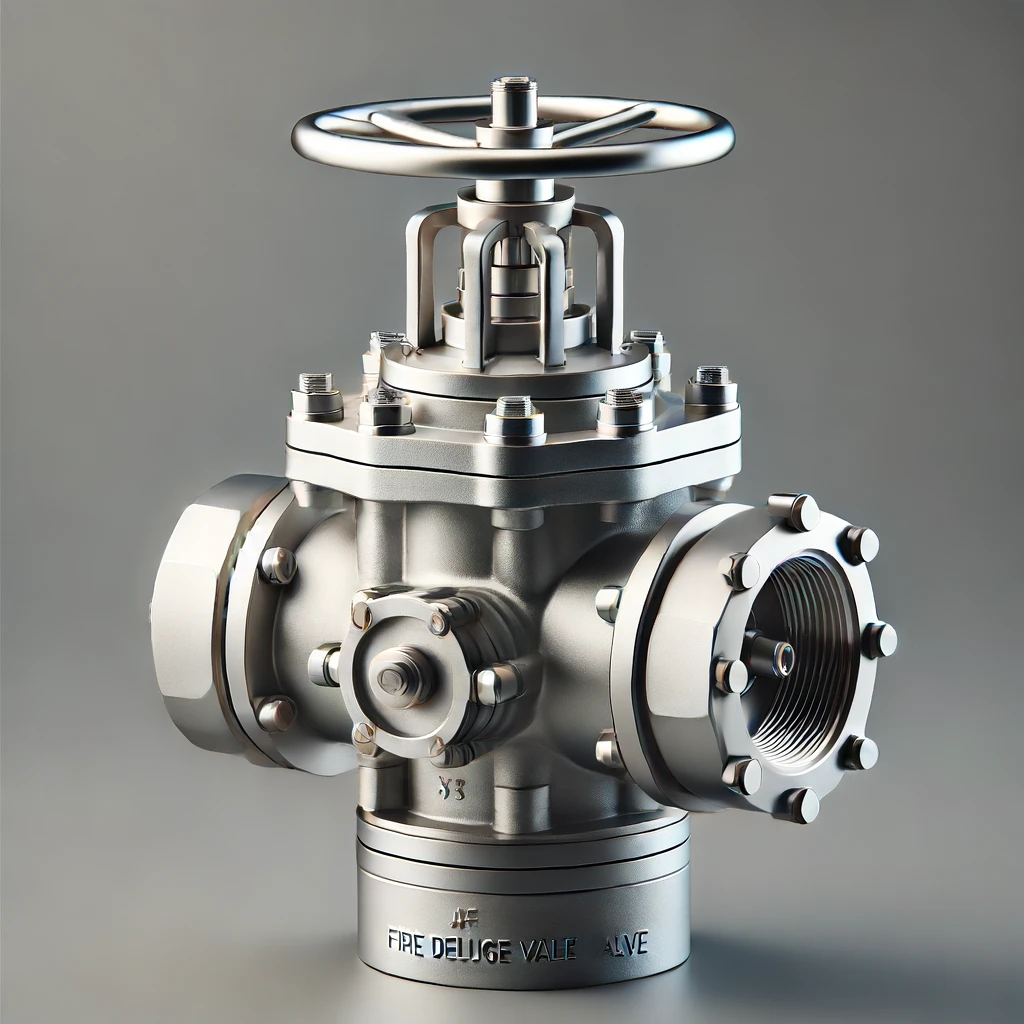
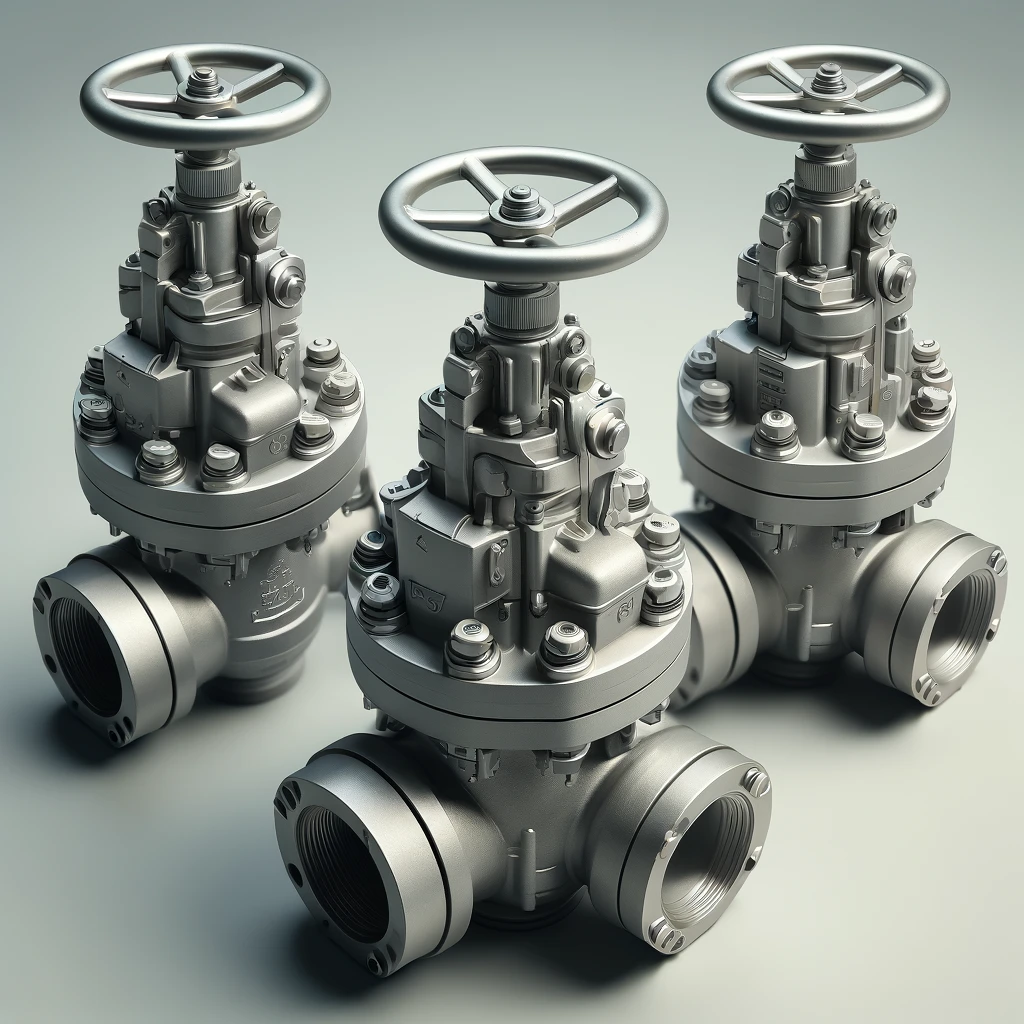
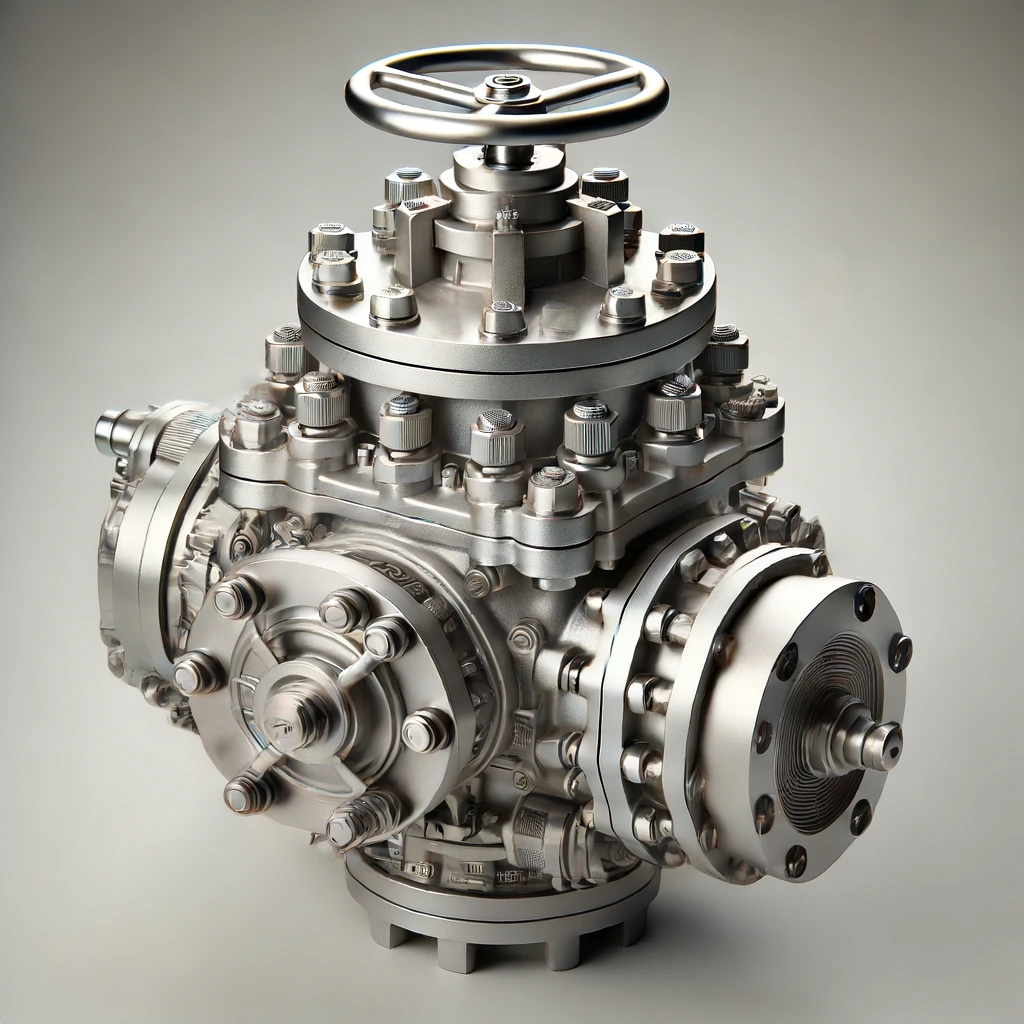
- A Foam Pourer is a foam discharge device used in fixed fire protection systems to apply finished firefighting foam onto the surface of flammable or combustible liquids. It is commonly installed on atmospheric storage tanks and works with a foam chamber or foam-making arrangement to distribute foam gently across the fuel surface. Proper foam application is essential for effective vapor suppression, fire control, and prevention of reignition.
-
Quick Facts
| Item | Description |
|---|---|
| Equipment Name | Foam Pourer |
| Equipment Type | Foam Discharge Device |
| Primary Function | Applies Finished Foam to the Protected Surface |
| Typical Installation | Fixed Roof Storage Tanks |
| Operating Medium | Foam Solution / Finished Foam |
| Common Application | Flammable Liquid Storage Tanks |
| Related Equipment | Foam Chamber, Foam Concentrate, Foam Proportioner |
| Main Benefit | Gentle and Controlled Foam Application |
| Applicable Standards | NFPA 11 and Applicable Project Requirements |
For price inquiries or to receive specialized consultation from imacofire, please contact us at +98-2188220617.

Overview
A Foam Pourer is an important component of fixed foam fire protection systems designed for the protection of flammable and combustible liquid storage tanks.
The primary purpose of a Foam Pourer is not to store foam concentrate or proportion it with water. Instead, it is part of the final discharge arrangement that helps apply firefighting foam to the protected fuel surface.
Correct foam application is extremely important when dealing with flammable liquid fires. If foam is discharged directly onto the burning liquid with excessive force, the fuel surface may be disturbed and the foam blanket may break down. In some cases, aggressive application can contribute to fuel splashing or reduce the effectiveness of the foam blanket.
A properly designed Foam Pourer allows the foam to be applied in a controlled manner. The foam is directed so that it can flow gently across the surface of the fuel, forming a stable blanket.
Foam Pourers are commonly associated with:
- Fixed Roof Storage Tanks
- Hydrocarbon Storage Tanks
- Tank Farms
- Refineries
- Petrochemical Plants
- Bulk Fuel Storage Facilities
Why Is a Foam Pourer Needed?
-
Flammable liquid fires require a different approach compared with ordinary combustible fires.
The objective is not simply to apply a large volume of extinguishing agent to the fire. The foam must be applied in a way that allows it to cover the fuel surface without unnecessarily disturbing the burning liquid.
A Foam Pourer helps achieve this controlled application.
Its main functions include:
- Directing foam toward the protected surface.
- Supporting gentle foam application.
- Improving foam blanket distribution.
- Supporting vapor suppression.
- Reducing the risk of foam blanket disruption.
- Helping prevent fire reignition.
- Providing controlled coverage of the fuel surface.
The effectiveness of a Foam Pourer depends on the complete system design, including the foam concentrate, proportioning method, hydraulic conditions, discharge arrangement, and protected hazard.
Working Principle of a Foam Pourer
-
The operation of a Foam Pourer can be explained through the following stages.
Step 1 – Foam Concentrate Storage
The firefighting process begins with foam concentrate stored in an appropriate system, such as:
- Bladder Tank
- Atmospheric Foam Storage Tank
- Foam Pump System
Step 2 – Foam Proportioning
A Foam Proportioner mixes the foam concentrate with water at the required concentration.
Common proportioning ratios include:
- 1%
- 3%
- 6%
The resulting mixture is known as Foam Solution.
Step 3 – Foam Generation
The foam solution passes through an appropriate foam-generating device where air is introduced.
This produces Finished Firefighting Foam.
Depending on the system design, foam generation and discharge functions may be incorporated into a combined equipment arrangement.
Step 4 – Foam Enters the Foam Pourer
The finished foam reaches the Foam Pourer through the foam piping system.
The device directs the foam toward the protected tank or hazard.
Step 5 – Controlled Foam Discharge
The Foam Pourer is designed to allow the foam to flow in a controlled manner.
Instead of aggressively impacting the fuel surface, the foam is directed to promote smooth distribution across the liquid.
This helps preserve the structure of the foam blanket.
Step 6 – Foam Blanket Formation
Once the foam reaches the fuel surface, it spreads across the protected area.
A properly maintained foam blanket can:
- Suppress flammable vapors.
- Separate the fuel from the atmosphere.
- Reduce heat transfer.
- Support extinguishment.
- Reduce the possibility of reignition.
Main Components of a Foam Pourer
The exact construction of a Foam Pourer depends on the manufacturer and system design. However, typical arrangements may include the following components.
1. Foam Inlet Connection
The inlet receives the foam solution or finished foam from the upstream system.
The connection must be correctly sized to support the required system flow.
2. Discharge Body
The main body directs the foam toward the protected area.
Its geometry is designed to support controlled foam distribution.
3. Deflector or Distribution Surface
Many designs use a deflector or similar surface to help distribute the foam.
This component helps reduce the direct impact of the discharge stream.
4. Foam Outlet
The outlet directs the foam toward the intended application area.
The outlet design depends on the storage tank configuration and required application method.
5. Protective Cover
Some outdoor installations may include a protective arrangement designed to reduce contamination or weather exposure.
Foam Pourer vs Foam Chamber
These two terms are sometimes used together and can cause confusion.
A Foam Chamber is generally part of a complete tank foam application arrangement and may include foam-generating and discharge components.
A Foam Pourer primarily refers to the portion of the arrangement responsible for directing and applying foam onto the protected surface.
However, terminology and product configurations can vary between manufacturers. Therefore, equipment should always be evaluated according to its specific technical documentation and approved system design.
Engineering Insight
The most important function of a Foam Pourer is not simply delivering foam to a tank.
It helps ensure that foam is applied correctly.
A high-quality foam concentrate and accurate proportioning system can still perform poorly if the foam reaches the fuel surface in an unsuitable manner. The final application method is therefore just as important as the upstream foam generation process.
Types of Foam Pourers
-
Foam Pourers can vary depending on the protected hazard, tank configuration, foam application method, and manufacturer design. In many fixed foam systems, the Foam Pourer is integrated into a larger discharge arrangement such as a Foam Chamber.
The following classifications help explain the different approaches used for controlled foam application.
1. Fixed Tank Foam Pourer
A Fixed Tank Foam Pourer is permanently installed on a storage tank and forms part of the fixed foam fire protection system.
It is designed to apply foam to the surface of the stored liquid during a fire emergency.
Typical Applications
- Fixed Roof Storage Tanks
- Flammable Liquid Tanks
- Fuel Storage Facilities
- Tank Farms
- Refineries
Advantages
- Permanently available for emergency use
- Integrated with the fixed foam system
- Provides controlled foam application
- Suitable for automatic or manual operation
2. Foam Pourer with Foam Chamber
In many industrial applications, the foam application arrangement combines the functions of foam generation and controlled discharge.
The foam solution enters the Foam Chamber, where air aspiration and foam generation take place. The resulting foam is then directed through the discharge arrangement and applied to the fuel surface.
This configuration is commonly used for atmospheric storage tanks.
Advantages
- Integrated foam generation and application
- Suitable for fixed storage tanks
- Efficient use of the foam system
- Reliable tank protection
3. Rim-Mounted Foam Pourer
A Rim-Mounted Foam Pourer is installed near the upper section of a storage tank.
It is designed to apply foam across the surface of the liquid or, depending on the tank configuration, to a specific protected area.
Typical Applications
- Certain fixed roof tanks
- Specialized tank configurations
- Industrial storage facilities
The exact application depends on the tank design and the approved fire protection arrangement.
4. Portable Foam Pouring Arrangement
Although most Foam Pourers are associated with fixed systems, portable foam application equipment may also be used in temporary or emergency firefighting operations.
These systems may include:
- Portable Foam Generators
- Foam Branch Pipes
- Portable Monitors
- Mobile Foam Application Equipment
Portable equipment provides flexibility but does not normally replace a properly designed fixed protection system for high-risk storage facilities.
Comparison of Foam Application Arrangements
Type Installation Typical Application Automation Potential Main Advantage Fixed Tank Foam Pourer Permanent Storage Tanks Yes Immediate availability Foam Chamber Arrangement Permanent Fixed Roof Tanks Yes Integrated foam generation Rim-Mounted Arrangement Permanent Specialized Tank Systems Depends on System Controlled application Portable Arrangement Temporary Emergency Operations Usually Manual Flexibility Applications of Foam Pourers
Foam Pourers are mainly used where controlled application of firefighting foam is required.
1. Fixed Roof Storage Tanks
One of the most important applications is the protection of fixed roof tanks storing flammable or combustible liquids.
Foam is applied to the surface of the liquid to:
- Control and extinguish surface fires
- Suppress flammable vapors
- Reduce radiant heat effects
- Help prevent reignition
2. Tank Farms
Large tank farms may contain multiple storage tanks and extensive fire protection systems.
Foam Pourers can be incorporated into individual tank protection arrangements and connected to:
- Foam Concentrate Storage
- Foam Proportioners
- Fire Water Networks
- Fixed Foam Piping Systems
3. Oil Refineries
Refineries contain a wide range of flammable and combustible liquids.
Foam application systems may be used to protect:
- Crude Oil Storage Tanks
- Product Storage Tanks
- Process Units
- Loading Areas
- Spill Containment Areas
4. Petrochemical Plants
Foam systems can provide important protection for tanks and areas containing flammable chemicals.
The selection of the foam system must consider:
- Chemical Compatibility
- Fuel Properties
- Foam Concentrate Type
- Application Method
- Fire Scenario
5. Bulk Fuel Storage Facilities
Fuel terminals and distribution facilities may use fixed foam systems to protect:
- Gasoline Storage
- Diesel Storage
- Aviation Fuel
- Other Flammable Liquid Products
Advantages of Foam Pourers
A properly designed Foam Pourer provides several important advantages.
1. Controlled Foam Application
The primary advantage is the controlled application of finished foam onto the protected liquid surface.
2. Reduced Fuel Surface Disturbance
Proper discharge helps avoid unnecessary disturbance of the fuel surface.
This is particularly important when protecting flammable liquids.
3. Improved Foam Blanket Formation
A controlled application arrangement helps the foam spread across the fuel surface and form a more stable blanket.
4. Effective Vapor Suppression
A properly established foam blanket can reduce the release of flammable vapors.
5. Support for Re-Ignition Prevention
Maintaining a stable foam blanket after extinguishment can help reduce the possibility of reignition.
6. Integration with Fixed Systems
Foam Pourers can be incorporated into engineered fire protection systems and connected to automatic or manually activated foam systems.
Limitations
Despite their importance, Foam Pourers must be correctly designed and selected.
Potential limitations include:
- Incorrect installation can affect foam distribution.
- Performance depends on the upstream foam system.
- Wind can affect outdoor foam application.
- Improper hydraulic conditions can reduce performance.
- Tank geometry affects equipment selection.
- Foam compatibility must be verified.
- Regular inspection is required.
Design Considerations
Foam Pourers should never be selected based only on pipe size or nominal flow capacity.
The entire fire protection system must be evaluated.
Important design factors include:
Protected Hazard
The characteristics of the stored liquid and the fire scenario must be evaluated.
Important considerations include:
- Flash Point
- Vapor Pressure
- Water Solubility
- Fire Behavior
- Tank Dimensions
Tank Type
The tank configuration has a significant impact on foam application design.
Common tank types include:
- Fixed Roof Tanks
- Floating Roof Tanks
- Open-Top Tanks
Each configuration may require a different protection approach.
Foam Application Rate
The required foam application rate should be determined according to the applicable design standard and hazard.
This factor affects:
- Foam Solution Flow
- Foam Concentrate Quantity
- Water Demand
- Foam Storage Capacity
- Foam Pourer Capacity
Hydraulic Requirements
The system must provide sufficient pressure and flow to all discharge devices.
The hydraulic design should consider:
- Pipe Friction Losses
- Elevation Changes
- Valve Losses
- Equipment Pressure Losses
- Simultaneous Operation Requirements
Foam Concentrate Compatibility
The selected Foam Pourer and foam generation arrangement must be compatible with the foam concentrate.
Compatibility should consider:
- Foam Type
- Proportioning Ratio
- Concentrate Viscosity
- Approved Equipment Listings
- Manufacturer Recommendations
Environmental Conditions
Outdoor systems may be affected by:
- Wind
- Rain
- Dust
- Sand
- Corrosive Atmospheres
- Freezing Temperatures
Appropriate materials and protective arrangements should therefore be selected.
Foam Pourer Selection Guide
Design Factor Selection Consideration Protected Hazard Type and behavior of stored fuel Tank Type Fixed roof, floating roof, or other configuration Required Flow Total foam solution demand Application Rate Based on applicable standards Foam Type Compatibility with concentrate Available Pressure Hydraulic system capacity Installation Environment Indoor, outdoor, marine, corrosive System Type Fixed or portable Future Expansion Potential increase in protected capacity Engineering Insight
A Foam Pourer is the final part of a long firefighting process:
Foam Concentrate → Proportioning → Foam Solution → Foam Generation → Controlled Foam Application
A weakness at any point in this chain can affect the performance of the complete system.
For this reason, a Foam Pourer should always be evaluated as part of the overall foam fire protection system rather than as an independent discharge device.
Installation Guidelines
-
Proper installation is essential to ensure that a Foam Pourer performs as intended during a fire emergency.
Installation requirements may vary depending on the tank design, foam system configuration, manufacturer instructions, and applicable standards.
1. Verify the Equipment Location
The Foam Pourer should be installed at the location specified in the approved fire protection design.
Before installation, verify:
- Tank configuration
- Equipment elevation
- Discharge direction
- Accessibility for inspection
- Available installation space
The discharge arrangement must allow foam to reach the intended protected area without unnecessary obstruction.
2. Verify Piping Connections
All piping connections should be correctly aligned and adequately supported.
Important considerations include:
- Correct pipe diameter
- Proper flange alignment
- Suitable gaskets
- Secure mechanical connections
- Appropriate corrosion protection
Improper piping installation can introduce unnecessary pressure losses or mechanical stress on the equipment.
3. Confirm Discharge Direction
The Foam Pourer must be installed according to the manufacturer's specified discharge orientation.
Incorrect orientation may result in:
- Poor foam distribution
- Foam discharge in the wrong direction
- Uneven surface coverage
- Reduced system effectiveness
4. Avoid Obstructions
The foam discharge path should remain clear.
Potential obstructions may include:
- Structural elements
- Piping
- Tank accessories
- Maintenance platforms
- Temporary equipment
Any obstruction that affects foam distribution should be evaluated during installation.
5. Protect Against Environmental Damage
Outdoor Foam Pourers may be exposed to:
- Rain
- Dust
- Sand
- Corrosive atmospheres
- High temperatures
- Freezing conditions
Protective coatings and suitable materials should therefore be selected based on the installation environment.
Inspection and Maintenance
Foam Pourers should be included in the site's preventive inspection and maintenance program.
The objective is to ensure that the equipment remains mechanically intact and ready for emergency operation.
Routine Inspection Activities
Typical inspection activities include:
- Visual inspection of the equipment body
- Checking for corrosion
- Inspecting inlet and outlet connections
- Verifying that discharge openings are unobstructed
- Checking protective covers
- Inspecting mounting arrangements
- Verifying system identification labels
Functional Testing
Functional testing should be carried out in accordance with the approved inspection and testing program.
Depending on the facility and applicable requirements, testing may involve:
- Water flow testing
- Foam solution testing
- Foam discharge observation
- Hydraulic performance verification
- System valve testing
Testing should be planned carefully to avoid unnecessary environmental discharge of foam concentrate or finished foam.
Recommended Maintenance Schedule
Activity Recommended Frequency Visual Inspection Monthly Corrosion Inspection Quarterly Discharge Opening Inspection Quarterly Mechanical Connection Check Annually Functional System Testing According to Applicable Standards Complete System Review Periodically The actual inspection frequency should always be based on the applicable standard, manufacturer recommendations, and site-specific maintenance requirements.
Common Problems
A Foam Pourer may experience performance issues if it is improperly installed, damaged, obstructed, or supplied with incorrect hydraulic conditions.
1. Uneven Foam Distribution
Possible Causes
- Incorrect installation orientation
- Obstructed discharge path
- Insufficient operating pressure
- Damaged distribution components
- Incorrect equipment selection
Recommended Actions
- Verify installation orientation.
- Inspect the discharge area.
- Check hydraulic operating conditions.
- Inspect the equipment for mechanical damage.
- Review the original system design.
2. Insufficient Foam Flow
Possible Causes
- Closed isolation valve
- Low water supply pressure
- Incorrect proportioning
- Blocked piping
- Excessive pressure loss
Recommended Actions
- Verify valve positions.
- Check the fire water supply.
- Inspect the Foam Proportioner.
- Check piping for restrictions.
- Review hydraulic calculations.
3. Poor Foam Blanket Formation
Possible Causes
- Incorrect foam concentrate
- Poor proportioning accuracy
- Unsuitable discharge arrangement
- Incorrect application conditions
- Equipment damage
Recommended Actions
- Verify foam concentrate compatibility.
- Test the proportioning ratio.
- Inspect the discharge arrangement.
- Confirm the equipment selection.
- Review the complete foam system.
4. Corrosion
Possible Causes
- Marine environment
- Chemical exposure
- Damaged protective coating
- Long-term weather exposure
Recommended Actions
- Inspect corrosion regularly.
- Repair damaged protective coatings.
- Replace severely damaged components.
- Use materials suitable for the installation environment.
5. Blocked Discharge Outlet
Possible Causes
- Dust accumulation
- Insects
- Debris
- Protective cover malfunction
- Foreign materials
Recommended Actions
- Perform regular inspections.
- Clean the outlet.
- Verify proper operation of protective covers.
- Remove any foreign material.
Troubleshooting Guide
Problem Possible Cause Recommended Action Uneven Foam Distribution Incorrect installation Check orientation and discharge path Low Foam Flow Low pressure or blockage Inspect water supply and piping Poor Foam Blanket Incorrect proportioning Verify foam system performance Corrosion Environmental exposure Inspect and repair protection Blocked Outlet Debris or contamination Clean the discharge opening Leakage Damaged gasket or connection Inspect and replace damaged components Poor Performance Incorrect equipment selection Review system design Relevant Standards
Foam Pourers and associated tank foam protection systems should be designed and maintained according to applicable standards and project requirements.
Standard Description NFPA 11 Standard for Low-, Medium-, and High-Expansion Foam Systems NFPA 16 Standard for Foam-Water Sprinkler and Foam-Water Spray Systems NFPA 25 Inspection, Testing, and Maintenance of Water-Based Fire Protection Systems UL 162 Safety Requirements for Foam Equipment and Foam Concentrates FM Approval Applicable FM approval requirements API 2030 Application of Fixed Water Spray and Foam-Water Spray Systems ISO 7203 Fire-fighting Media – Foam Concentrates Important: Always verify the applicable edition of each standard and the requirements of the Authority Having Jurisdiction (AHJ).
Frequently Asked Questions (FAQ)
1. What is a Foam Pourer?
A Foam Pourer is a device used to direct and apply firefighting foam onto a protected hazard, particularly the surface of flammable or combustible liquids.
2. Is a Foam Pourer the same as a Foam Chamber?
Not necessarily.
A Foam Chamber generally forms part of a complete foam generation and application arrangement, while a Foam Pourer primarily relates to the controlled discharge of foam onto the protected surface. Product terminology may vary between manufacturers.
3. Where are Foam Pourers commonly used?
They are commonly used in:
- Storage Tanks
- Tank Farms
- Oil Refineries
- Petrochemical Facilities
- Fuel Storage Terminals
4. Does a Foam Pourer mix foam concentrate with water?
No. Foam concentrate is normally mixed with water by a Foam Proportioner before reaching the foam generation and discharge equipment.
5. Why is controlled foam application important?
Aggressive foam application may disturb the surface of a flammable liquid and negatively affect the foam blanket.
Controlled application helps the foam spread across the surface more effectively.
6. Can a Foam Pourer be used with any foam concentrate?
No. The complete foam system must be compatible with the selected foam concentrate and comply with the manufacturer's recommendations and applicable approvals.
7. What affects Foam Pourer performance?
Performance can be affected by:
- Foam quality
- Proportioning accuracy
- Available pressure
- Flow rate
- Tank geometry
- Discharge arrangement
- Environmental conditions
8. How often should a Foam Pourer be inspected?
The inspection interval should follow applicable standards, manufacturer recommendations, and the site's preventive maintenance program.
9. Can a Foam Pourer operate automatically?
Yes. A Foam Pourer itself is generally a passive discharge device, but it can be part of an automatically activated foam fire suppression system.
10. What happens if the discharge outlet is blocked?
A blocked outlet may prevent proper foam distribution and significantly reduce the effectiveness of the foam fire protection system.
Related Products
برای این بخش، بعداً هر کدام از این موارد را به صفحات مربوطه لینک داخلی بده:
- Foam Chamber
- Foam Maker
- Foam Concentrate
- Foam Proportioner
- Bladder Tank
- Foam Monitor
- Foam Nozzle
- Foam Storage Tank
- Deluge Valve
Related Articles
- What Is a Foam Chamber?
- What Is a Foam Maker?
- What Is a Foam Concentrate?
- What Is a Foam Proportioner?
- What Is a Bladder Tank?
- Understanding Foam Fire Suppression Systems
- Foam System Design Guide
- How Firefighting Foam Works
💡 Did You Know?
The way firefighting foam reaches the fuel surface can be just as important as the foam itself. A high-quality foam concentrate may not perform effectively if the foam is applied in a manner that destroys the developing foam blanket or excessively disturbs the fuel surface.
💡 Engineering Insight
A Foam Pourer is often viewed as a simple passive component. However, its position, discharge geometry, capacity, and relationship with the protected hazard can significantly affect the performance of the complete foam fire protection system.
The final stage of foam application should therefore be considered during the hydraulic and fire protection design process—not after the upstream system has already been selected.
Call to Action
Looking for a Reliable Foam Pourer or Tank Foam Protection System?
Selecting the right foam discharge arrangement requires a proper understanding of the protected hazard, tank configuration, required foam application rate, hydraulic conditions, and foam concentrate compatibility.
IMACO FIRE can assist with the selection of foam fire protection equipment and engineered solutions for industrial facilities, tank farms, refineries, petrochemical plants, and fuel storage installations.
Contact our technical team for product selection and engineering support.